Get Full Government Meeting Transcripts, Videos, & Alerts Forever!
Get email alerts on the Signage Billboard topic
No spam. Unsubscribe anytime.
Board OKs digital sign plan for Wisconsin Tower but rejects variance for large display area
Summary
The Board of Zoning Appeals granted special-use permissions for an automatic changeable off‑premise wall sign on the Wisconsin Tower but denied a separate use variance for a display area larger than the code maximum, after departments and an alderman raised concerns about size and precedent.
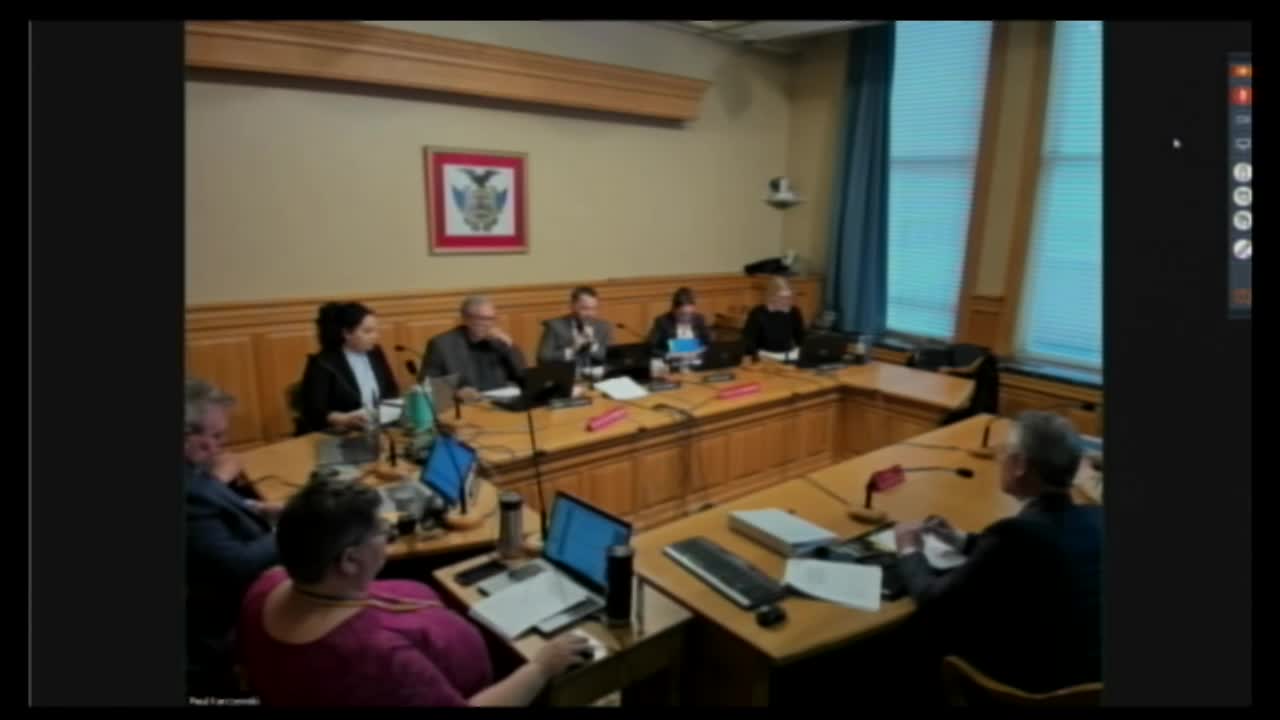
The Milwaukee Board of Zoning Appeals on May 1 granted a special-use permit to allow an automatic changeable message wall sign on the west façade of the Wisconsin Tower but denied a separate use variance request that would have allowed the sign to exceed the city's maximum display area.
The applicant, represented by attorney Brian Randall of Amundson Davis on behalf of Capitol Outdoor, proposed a digitally changeable off‑premise wall sign with 15‑second rotations and a plan of operation that would turn the display off overnight. Randall told the board the sign would be used for public‑service messages and community benefits as well as commercial messages and submitted a lighting study and renderings during the hearing.
Neighbors, city departments and Alderman Baumann urged caution. Alderman Baumann said the proposed 1,700‑square‑foot sign was “way outside” what the zoning code contemplates and warned the board that approving so large a display would precede requests for other oversized signs. Department of City Development, Neighborhood Services and Department of Public Works all raised objections or urged denial of the size variance, saying the sign would be much larger than the signs typically approved in comparable locations and that the existing rules should be followed.
Board discussion focused on two separate legal questions: whether the sign and its operation could be approved as special uses (distance to residences, changeable message timing and public‑safety messaging) and whether the applicant had met the stricter use‑variance standards to justify an exception for display area. The board found the evidence supported the special‑use criteria after hearing the lighting study, the proposed 15‑second rotation and the applicant's commitment to turn the display off overnight; the panel voted to grant the special‑use permits for a limited term. However, the board concluded the applicant did not meet the use‑variance standards for a display area that large and voted to deny the larger display area variance.
Alderman Baumann and city staff pointed to prior approvals of digital signage in the downtown area but said those had been smaller or approved under different circumstances. The applicant repeated that the building's west elevator/equipment wall had been used historically for signage and argued the case as a unique situation. The board split its analysis: it approved the sign as a special use with listed operational limits, then denied the request to allow the larger display area.
Outcome: the board approved the special‑use requests (roll call recorded in the hearing) and denied the use variance for the larger display area, blocking the applicant from installing a sign above the code maximum display area. The applicant may revise and return or pursue other lawful sign options.
Why it matters: the vote allows a digitally changeable sign to operate in the downtown skyline under specific limits, but by denying the variance for a very large display the board signaled that setting sign‑size precedent remains constrained by the current code. That bifurcated outcome leaves an opening for city code updates or a reduced, code‑compliant proposal from the applicant.
Speakers quoted or on the record: Brian Randall, attorney for Capitol Outdoor; Alderman Baumann; Ed Richardson (City Development representative); Department of Neighborhood Services staff; Department of Public Works staff. Direct quotes in the hearing were attributed at the time of the meeting and recorded in the transcript.
Votes at the hearing: the Board voted to grant the special‑use approvals (roll call recorded in the transcript) and subsequently voted to deny the use variance for the display area (roll call recorded in the transcript).