Get Full Government Meeting Transcripts, Videos, & Alerts Forever!
Get email alerts on the Housing Transit topic
No spam. Unsubscribe anytime.
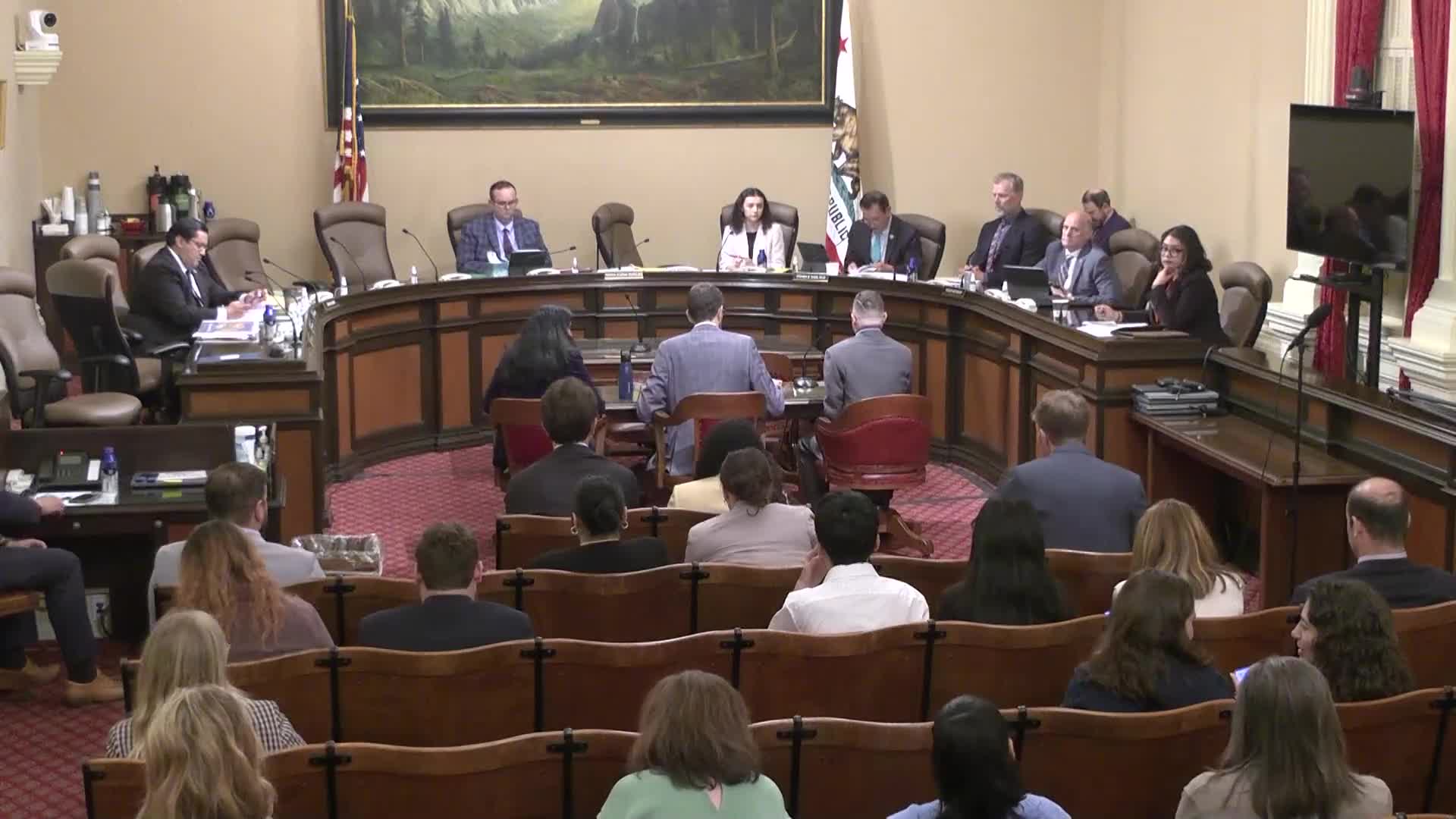
Senate committee sends SB 79 to Appropriations after split vote over zoning near transit
Summary
Senate Bill 79, a bill to require more housing near high-quality transit stations and corridors, advanced out of the committee after intensive debate over local control, affordability protections and impacts on suburban jurisdictions. The measure passed on a narrow vote and will go to Appropriations with promised follow-up amendments.
SACRAMENTO — The Senate Committee on Local Government advanced Senate Bill 79, legislation to require higher minimum residential capacity near major transit stations and high-frequency routes, after a long hearing that highlighted a sharp divide between housing advocates and municipal leaders.
Sponsor Sen. Scott Wiener argued the bill would direct housing to locations that reduce vehicle miles traveled, support public transit and protect farmland from sprawl. “If it’s not around the highest quality public transportation stops, I don’t know where it is,” Wiener said, urging the committee to move the bill so the state can prioritize housing where transit already exists.
Supporters included Berkeley Councilmember Rashi Kasarwani, who described a station-area project at North Berkeley BART in which local zoning and state law combined to enable a 739-unit development with significant affordable housing. Greenbelt Alliance policy lead Jordan Grimes told committee members that building near transit is “smarter growth” that can slow farmland loss and reduce per‑capita emissions.
Opponents included the League of California Cities and numerous municipal delegations, who warned the bill imposed a “one-size-fits-all” standard on jurisdictions with widely differing transit networks and infrastructure capacity. The League’s Brady Gurn said the measure would “overrule all the efforts that cities have made” in housing-element planning and could leave municipalities with sites that are not viable for the use the law would require.
A central point of contention was whether the bill preserved local inclusionary or affordability rules and whether it would allow transit agencies to use or dispose of land for commercial uses without adequate accountability. Wiener said multiple clarifying amendments were in process to preserve local inclusionary requirements, give suburban jurisdictions more moderate height limits, and to refine how transit agencies’ surplus lands would be handled.
The committee adopted an amended motion to advance SB 79 to Appropriations. The final committee tally recorded at the close of the hearing was 4–3 in favor of moving the bill forward. Supporters said they will continue negotiations with municipal leaders and affordable-housing advocates to craft amendments before floor consideration.