Get Full Government Meeting Transcripts, Videos, & Alerts Forever!
Get email alerts on the Real Estate Development topic
No spam. Unsubscribe anytime.
West Sacramento approves sale and redevelopment plan for Club Pheasant site
Summary
The City of West Sacramento approved a purchase, sale and development agreement with Ramcor Dev LLC to redevelop the historic Club Pheasant site into a multi-tenant dining and retail destination that preserves portions of the original building and includes a city-run storefront for local entrepreneurs.
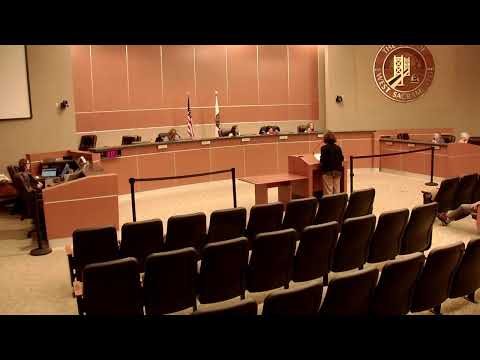
The West Sacramento City Council approved a purchase, sale and development agreement with Ramcor Dev LLC on a 4-0 vote to sell and redevelop the Club Pheasant property at Jefferson Boulevard and Lake Washington Boulevard.
Council approval authorizes the sale at $1,500,000 and sets terms intended to preserve elements of the historic two‑story Club Pheasant building while adding roughly 19,900 square feet of retail across three pads, about 10,000 square feet of outdoor patio and a second‑level roughly 2,000 square feet in size for complementary uses.
The nut graf: City staff and the developer framed the deal as both a preservation and economic development move — keeping the site’s hospitality use “in perpetuity” through recorded use restrictions while creating new revenue and local-business opportunities. The developer will incorporate façade elements and the familiar monument wall and provide outdoor program space designed to accommodate concerts, farmers’ markets and other community events.
Under the terms presented to council, the city will receive $1.5 million at closing and expects combined property and sales tax revenue of roughly $600,000 a year. Staff estimated the city recovers its initial investment within the first few years and projects about $7.3 million in revenue to the city over a 10‑year period (this figure includes the sale proceeds). The agreement also includes fee credits or waivers to address on‑site infrastructure issues: the property currently relies on a private well that must be decommissioned or brought onto the municipal water system.
The project contract makes special provision for a 1,200‑square‑foot “city storefront” that the city will master‑lease at market rates and then sublease to local entrepreneurs with early financial incentives. The agenda report and staff presentation said the city will average $95,000 per year for that storefront over a 10‑year projection and will work with small‑business partners to develop selection and incentive criteria.
Developers and the city provided a development schedule: design development will proceed over roughly six months following agreement execution, with planning and building reviews lasting about three months after that. Construction could start as early as summer 2026 and a grand opening is projected as early as summer 2028.
Public comment at the meeting included supporters who said they welcomed a community dining destination and critics who questioned the city’s decision to buy the property in the first place and the apparent discount between the city’s acquisition cost and the sale price. City staff explained the city purchased the property earlier to prevent demolition and to control future uses, and that the sale price reflects constraints inserted to protect the property’s historic and hospitality character.
Council action: Councilmember Early moved the agreement; Mayor Pro Tem Bernice Apizio Hall seconded. The roll call showed four ayes and the motion carried.
The council directed staff to finalize rent and tenant‑improvement terms for the city storefront, to return with a tenant selection process, and to coordinate with the developer on preservation details and the construction schedule.
Looking ahead, staff said the developer will recruit tenants that include coffee, casual dining and other restaurant operators; the agenda materials listed prospective names such as Temple Coffee and Jack’s Urban Eats as examples of the tenant mix that drew on the developer’s regional restaurant experience. The city will record use restrictions on the property so future buyers must keep the site as a hospitality destination.