Get Full Government Meeting Transcripts, Videos, & Alerts Forever!
Get email alerts on the Jury Selection Peremptory Challenges topic
No spam. Unsubscribe anytime.
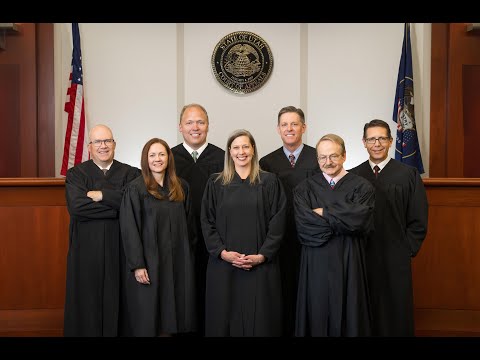
Court of Appeals hears dispute over loss of six peremptory challenges in Zamirano appeal
Summary
At oral argument, defense counsel said losing all six peremptory challenges and an allegedly incorrect verdict form showing an aggravator indicate juror bias; the state urged deference to trial-court discretion and said Turner permits tactical use of peremptories. The panel took the case under advisement.
Court of Appeals judges heard oral argument in the appeal of Yaro Maraz Zamirano over whether the defense’s loss of six peremptory challenges and an allegedly incorrect jury verdict form require reversal.
At the hearing, Natalie Scubin, defense counsel for Zamirano, told the three-judge panel that “First, Turner did not rule on the issue of losing peremptory challenges to remove biased jurors at all,” and argued the combined effect of losing all six peremptory challenges, the “verdict form” that listed an aggravator the prosecution later said did not apply, and other trial errors met Utah’s prejudice standards.
The issue matters because it focuses on how appellate courts should review jury-selection rulings and whether a defendant must identify a specific biased juror to show prejudice. Scubin argued the record shows cumulative error in a case she described as one in which “the evidence was not overwhelming” and therefore the composition of the jury could have changed the outcome.
Scubin compared the case to prior decisions, saying Zamirano’s trial was more like Saunders, where cumulative errors led to reversal, and less like Walk, where overwhelming evidence made a single lost peremptory unlikely to be prejudicial. She told the panel that “the fact that these jurors checked a box finding an aggravator that the prosecution even said in closing argument did not happen is an indication of bias.” She also said the defense used all six peremptories after the trial court denied for-cause strikes and that, as a result, defense counsel could not use those challenges “tactically” elsewhere.
State counsel Wasson Gussett responded that Turner permits parties to use peremptories tactically and that a defendant who voluntarily uses peremptory challenges cannot later claim prejudice simply because the tactical choice did not produce a preferred jury composition. “Turner says that defendant gets to use the preemptories however they want and this is how defendant chose to use them here,” Gussett said, arguing the defendant still must show actual juror bias to prevail on appeal.
Both sides addressed how to apply Utah precedent. The state pointed to recent decisions emphasizing that to prevail on a juror-bias claim on appeal a defendant typically must show actual bias by a juror who sat on the case; the defense urged the court to treat the combined record — all six lost peremptories, the verdict form issue, and other trial errors — as sufficient to show prejudice under cases the defense cited.
Judges on the panel questioned both sides about standards of prejudice and practical consequences for trial strategy. One judge asked, “But you'd still need to show prejudice, right?” and another asked whether, if the defense had been forced to use all six peremptories, nearly any adverse verdict would become reviewable on appeal. Counsel for both sides debated whether Holmes/Holm- and Taylor‑style precedents (as discussed at argument) produce distinct loss-of-peremptory claims versus juror-bias claims that require demonstration of an actually biased juror.
The court did not issue a ruling at argument. The presiding judge closed by saying the panel appreciated the briefing and would “take it under advisement and issue an opinion in due course.” The oral argument then concluded and the court adjourned.
Context and next steps: The appeal raises questions about how appellate courts balance trial-court deference on for‑cause rulings with defendants’ rights to meaningfully exercise peremptory challenges. The Court of Appeals will issue a written opinion resolving whether the combination of lost peremptories and the verdict-form issue warrants reversal in this case.