Get Full Government Meeting Transcripts, Videos, & Alerts Forever!
Get email alerts on the Daylighting topic
No spam. Unsubscribe anytime.
Council hearing spotlights split between DOT and advocates over universal daylighting
Summary
At a City Council Transportation and Infrastructure hearing, DOT officials cited a department study that found hardened daylighting reduces injuries but warned universal soft daylighting could worsen safety; advocates, disability groups and multiple council members urged passage of intro 11‑38 with accessibility protections.
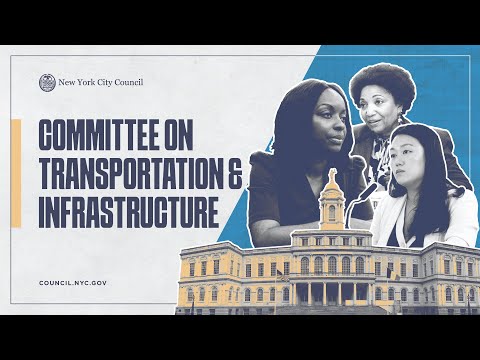
A New York City Council committee hearing on parking infrastructure and street safety on March 1 focused on intro 11‑38, a bill that would prohibit standing or parking within 20 feet of a crosswalk at intersections and require daylighting barriers at a minimum of 1,000 intersections per year.
Why it matters: proponents said daylighting improves pedestrian visibility and saves lives; the Department of Transportation (DOT) told the committee its analysis shows hardened daylighting can reduce injuries but that indiscriminate, unhardened daylighting is not a one‑size‑fits‑all fix and could have negative safety effects if applied universally without engineering judgement.
Councilmember Juan opened with a personal appeal and a list of recent intersection fatalities, saying, “You have blood on your hands,” and urging aggressive rollout of hardened barriers. Public Advocate Jumaane Williams and other council members also pressed for faster implementation and for daylighting that prioritizes equity.
DOT Deputy Commissioner Eric Beaton testified that Local Law 66 of 2023 required DOT to study daylighting and that the department’s analysis of intersections from 2019–2021 found mixed results. “The study found that while daylighting is a useful tool when used properly, it is not a one size fits all solution,” Beaton said. He said hardened daylighting — physical infrastructure that prevents vehicles from occupying the space — was associated with statistically significant injury reductions, while “soft” or unhardened daylighting showed no statistically discernible safety benefit in the department’s analysis. Beaton told the committee the city already redesigned 2,688 intersections last year and implemented daylighting at over 1,000 locations, including about 300 with hardened treatments.
DOT officials warned of tradeoffs. Beaton said universal hardened daylighting would cost in the neighborhood of $3 billion to install citywide and that indiscriminate soft daylighting, if implemented without complementary treatments, could — in the department’s estimate — increase injuries. He told the committee the department wants to retain engineering discretion to match treatments (daylighting, neck‑downs, medians, signal timing, road diets) to the locations that data and professional judgment show will benefit most.
Disability advocates, community groups and street safety organizations strongly backed intro 11‑38 but urged modifications to protect access. Jean Ryan, president of Disabled In Action of Metropolitan New York, said daylighting is essential to prevent drivers from obscuring people who use wheelchairs and other assistive devices and stated, “DIA is in favor of intro 11‑38. It’s the right thing to do.” Brooklyn Center for Independence of the Disabled urged the council to amend sections of the bill to ensure implementations do not block curb cuts, Access‑a‑Ride drop‑off locations or other accessibility features; the group said some concrete barriers have been placed in ways that obstruct access and create new hazards.
Council members pressed DOT on speed of implementation and equity. Several members said they had supplied DOT with lists of local intersections they considered dangerous and said only a small fraction had been treated months later. DOT replied it prioritizes the most dangerous corridors and intersections using Vision Zero Borough Safety Action Plans and that implementation timelines vary by project complexity.
Advocates cited peer jurisdictions and local experience in support. Witnesses and testimony referenced studies and implementations in Hoboken, San Francisco and other cities showing crash reductions from daylighting; community groups urged a robust citywide program.
The hearing did not include a committee vote on intro 11‑38; members and DOT representatives agreed to continue working on language and implementation details, including how to pair daylighting with hardened treatments, accessibility protections and maintenance.
The debate in committee highlighted the core tension at the center of the bill: strong public demand and community evidence for sweeping daylighting vs. DOT’s caution that certain soft implementations may not provide net safety gains without complementary engineering and maintenance. Advocates urged adopting the law with explicit accessibility and maintenance safeguards; DOT said it would work with council sponsors on language but reiterated concerns about a universal, unsigned mandate without funds and time to staff and supply a large rollout.
Looking ahead, council members and stakeholders flagged the need for: clear criteria for choosing hardened vs. soft treatments, specific accessibility protections for Access‑a‑Ride and curb cuts, a maintenance and sign‑replacement plan, and funding and staffing timelines if the city is to scale hardened installations significantly.