Get Full Government Meeting Transcripts, Videos, & Alerts Forever!
Get email alerts on the Early Reading topic
No spam. Unsubscribe anytime.
Ravenstream Elementary showcases teacher professional development and early‑reading gains
Summary
Ravenstream Elementary staff described weekly professional learning communities, targeted professional development (including Heggerty and Fundations), a Read Act focus, and classroom data showing growth in letter sounds, word segmentation and fluency.
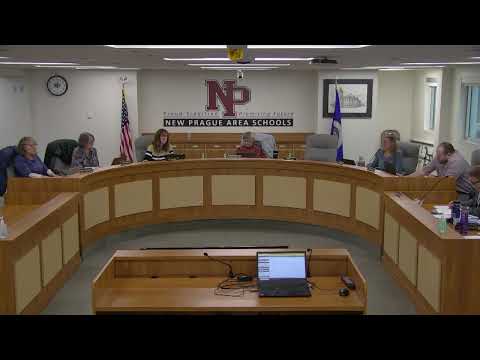
Ravenstream Elementary leaders told the New Prague school board about how ongoing professional development and curriculum choices are translating into classroom instruction and early‑reading gains.
Principal Jeremy Ambertson and kindergarten teacher Jen Seiler described a professional learning structure in which teacher teams meet weekly to examine student data, set achievement and professional growth goals, and adopt common practices. Seiler summarized classroom routines using Heggerty (phonemic awareness) and Fundations (a structured, multi‑sensory phonics program), and said the programs are being used across K–3 to create consistency.
Ambertson highlighted district assessment data and described how the staff is tracking both proficiency and growth. He said kindergarten average letter‑sound scores rose from fall to winter and that the district is also emphasizing fluency and an “alternate spring” A‑Reading test for grades 2–5 to add a growth perspective beyond proficiency. The principal said work on the Read Act required significant staff time but was completed across the district this year.
Seiler and other staff described targeted professional opportunities—examples included the Building Thinking Classrooms workshop, a national early‑childhood expo (NAEYC) in Anaheim funded by a grant, and teacher exchanges where staff observe one another to adapt classroom techniques. Seiler described classroom tools—magnetic letters and multi‑sensory manipulatives—used from kindergarten through third grade to support decoding and spelling practice.
Why it matters: Staff said consistent curriculum and frequent assessment allow teachers to identify students who need support and to measure growth over the school year. Administrators emphasized that growth metrics can look different for high‑achieving students versus students who have more room to improve.
The board thanked Ravenstream staff for the presentation and praised the local investments in teacher development and classroom materials.