Get Full Government Meeting Transcripts, Videos, & Alerts Forever!
Get email alerts on the Humanitarian Aid topic
No spam. Unsubscribe anytime.
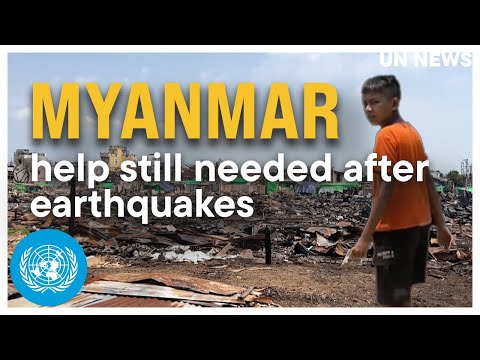
UN: One month after Myanmar quakes, hundreds of thousands remain displaced as aid scales up
Summary
One month after deadly earthquakes in Myanmar, United Nations officials and aid groups say hundreds of thousands remain in makeshift shelters and that basic services and relief supplies have reached many but gaps remain.
Even one month after the earthquakes that struck Myanmar, large numbers of people remain displaced and living in makeshift shelters, the United Nations said.
"Even before these earthquakes struck, Myanmar was a country that was already facing a spiraling humanitarian crisis," Speaker 1, a staff member, said during a briefing. "One month in, there are countless people still living outside in the open air. They're in makeshift shelters, they're in tents, and they are exposed to extremely harsh elements."
The briefing said aid agencies have been working with local groups to deliver emergency assistance since the quakes. "We have reached at least 600,000 people with water, sanitation, and hygiene support, close to half a million people with various forms of food assistance, and well over 100,000 people with essential relief items," Speaker 1 said. "This is some of the support that has been provided so far, but much more is needed."
Speakers described why many people remain displaced. Speaker 2, a staff member, said many of those seeking shelter had homes that were "completely collapsed or partially destroyed" and that residents feared aftershocks would destroy remaining structures. "That's why they do not dare to go back to their home and [are] seeking shelter over here," Speaker 2 said.
The briefing combined operational tallies with appeals for expanded support. The United Nations and nongovernmental organizations were described as operating "on the ground" alongside local organizations to distribute water, sanitation and hygiene supplies, food assistance and other essential relief items.
No formal funding totals, timelines for reconstruction or specific donor pledges were provided in the remarks. The speakers emphasized ongoing need rather than announcing new formal programs or decisions.
"Much more is needed," Speaker 1 said in closing, repeating the appeal for increased aid.
The United Nations and partner organizations have not been cited in the briefing with detailed budgetary breakdowns or implementation deadlines in the transcript of these remarks.