
Speakers at news conference urge civility, cite shared humanity and high Utah legislative agreement
Get AI-powered insights, summaries, and transcripts
Subscribe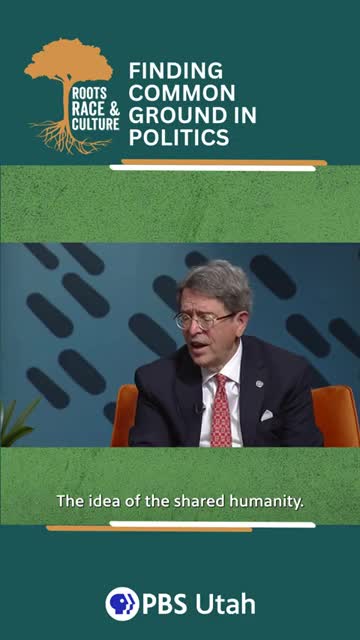
Summary
Two speakers at a news conference urged civility and appealed to a “shared humanity,” and one speaker said the Utah State Legislature votes together "about 85% of the time."
Speaker 1 (role not specified) and Speaker 2 (role not specified) urged colleagues to remember a "shared humanity" in political debate and discussed the role of personal faith and common ground in lawmaking.
"The idea of the shared humanity," Speaker 1 said. "Some of the issues we've been debating the last couple of weeks have been ones that have been very difficult...sometimes you kinda think, why did why did we even have to bring that up?"
Speaker 2 responded that faith shapes how some people approach politics and urged people not to "lose hope in humanity," adding that lawmakers are "more than that" when judged by a single belief or comment. "And I always think of my colleagues, like, even when I'm when it's something that I didn't like, when it's something that's hurtful, maybe they said something that is painful...I recognize that I need to think, okay, this person has family. I mean, like, they're a whole person," Speaker 2 said.
Speaker 2 also argued that most votes in the Utah State Legislature reflect broad agreement. "In the Utah State legislature, by the way, about 85% of the time we vote together, everyone. I mean, the hundred and 4 members vote yes, about 85% of the time," Speaker 2 said; the statement is presented as that speaker's characterization and is not independently verified in the transcript.
Both speakers contrasted those routine majorities with a smaller set of "more divisive issues," which Speaker 2 described as "emotional issues" where the greatest partisan or philosophical splits appear.
No formal motions, votes or policy decisions were recorded in the excerpted remarks. The comments appeared as a discussion of tone, faith, and how elected officials relate to one another rather than as proposals for specific legislation or administrative action.