Get Full Government Meeting Transcripts, Videos, & Alerts Forever!
Get email alerts on the Airport Operations Infrastructure topic
No spam. Unsubscribe anytime.
Ash County Airport: revenue-neutral operations and million-dollar annual grants, board hears
Summary
Airport officials reported that the Ash County Airport is roughly revenue-neutral (small net positive) from local operations, brings about $1 million a year in project grants to the county, and outlined foreseeable infrastructure and technology issues including taxiway completion, perimeter fence, and emerging aviation technologies.
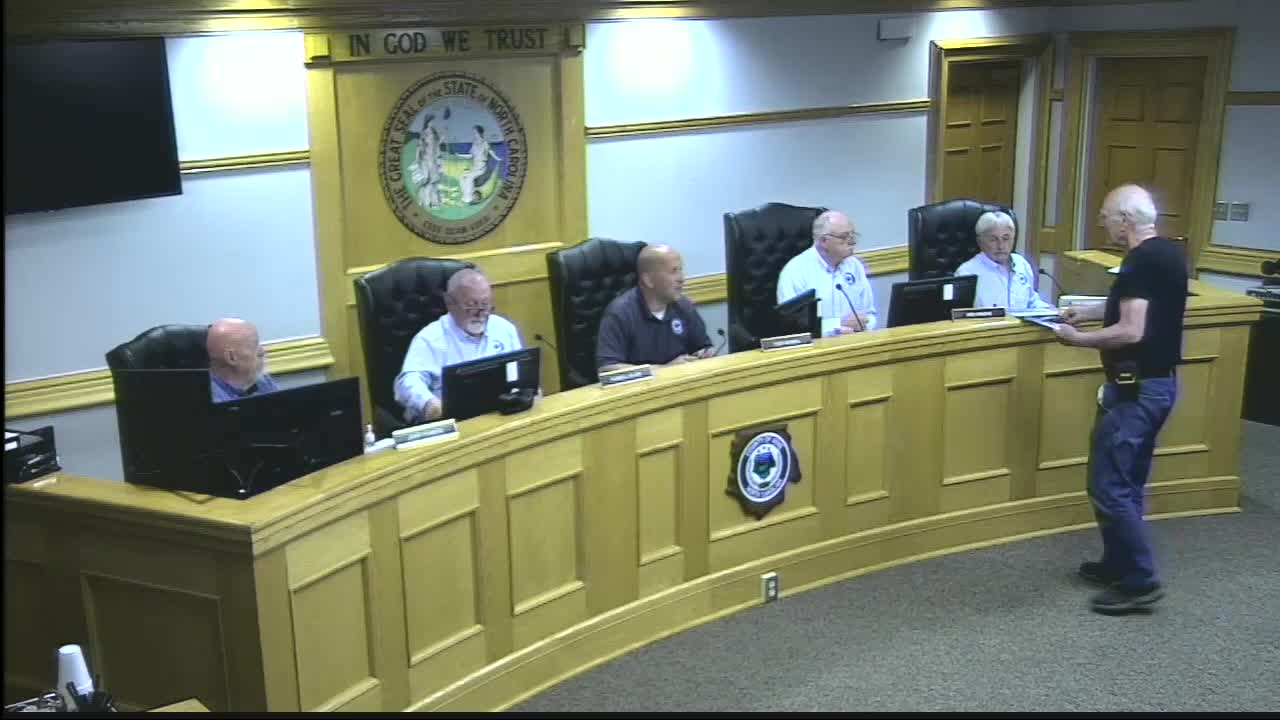
Airport representatives presented the annual review to the Ash County Board April 20, saying local operations produce modest positive cash flow while project-specific grants bring significant capital to the county.
Aviation representatives summarized income sources: local operating income (hangar rent, fuel, tie-downs), non-primary entitlement grants (federal/state aviation repurposed tax dollars), and property taxes. The presenter said fourteen years of data show the airport is “cash positive by about $15,000–$17,000 a year,” and that project grants for runway, taxiway and ramp projects average roughly $1 million a year.
Presenters said that while grants are not profit for the county, the construction activity supports local contractors, hotels and restaurants. They outlined foreseeable infrastructure projects — land acquisition for small-plane parking, completion of the full-length taxiway, terminal replacement and perimeter fence completion — and noted cost estimates vary widely, from affordable midfield taxiway work to multimillion-dollar full-length taxiway projects.
Airport staff described mission-critical roles the airport filled after Hurricane Helene, including medical airlift, law-enforcement operations, fire-bomber refilling using a new hydrant on-site and nearly 2,500 emergency operations during a peak month. Staff recounted the airport serving as a staging and supply hub during the storm response.
The presentation also highlighted likely but uncertain future developments affecting the airport: autonomous aircraft and autonomous air cargo, electrification of aviation and battery charging infrastructure, and vertical takeoff and landing (VTOL) air-taxi models. Presenters said regulations and technical standards for these technologies are still evolving and that the airport is monitoring developments rather than requesting immediate county assistance.
Commissioners asked operational questions about debris cleanup, taxiway visibility and aircraft size capacity. Airport staff said the airport can handle Gulfstream-class corporate aircraft and estimated current safe passenger capacity at about 30–40 seats for ad hoc operations, with the caveat that terminal and emergency-response upgrades would be needed for scheduled commercial service.