Lifetime Citizen Portal Access — AI Briefings, Alerts & Unlimited Follows
City outlines Arbor South deal: developer builds parking decks, city to purchase with TIF‑backed bonds
Loading...
Summary
City staff on April 17 outlined a proposed deal for Arbor South in which the private developer would finance and build phased parking decks and the city would buy completed decks with bonds repaid by new tax increment and net parking revenue.
City staff on April 17 presented the framework for the Arbor South redevelopment and how the city would use tax increment financing and municipal bonds to acquire three phased parking decks once they are constructed.
Joe Giant, Ann Arbor’s economic development director, told council that the developer will fund initial construction for all phases, including parking decks, market-rate and affordable housing and infrastructure; the city would then purchase each completed deck for the lesser of actual construction cost or a predetermined price and finance the purchases through separate bond issuances. "PFM's review confirmed that the development would not be viable, without the TIF," Giant said, describing the municipal advisor’s review of the developer pro forma.
The primary sources of bond repayment would be new tax increment generated by the privately owned portions of the project and net parking revenue from the decks. To enable the use of school‑reimbursing Brownfield TIF for eligible costs, staff said a Brownfield plan and related approvals will be required from the county brownfield authority, the county board of commissioners and the state of Michigan.
City staff described approvals and risk mitigations in three tracks: (1) land‑use/site‑plan approvals and development‑agreement terms; (2) bond approvals (an initial intent/inducement resolution followed, at the time of each phase, by a final bond authorization); and (3) Brownfield/TIF and TIF reimbursement agreements detailing eligible uses. The city would present an inducement resolution (covering all three decks) that triggers a 45‑day petition/referral window; if no petition requires a referendum, the city, its municipal advisor and bond counsel would proceed to formal bond sale mechanics.
As additional security, staff proposed creating a special assessment district (SAD) for the project area to obligate property owners within the project to pay a minimum tax if TIF and parking revenue fall short of debt service. Staff characterized the SAD as highly unlikely to be used but said it would provide an additional layer of protection; affordable housing components would be excluded from any SAD obligations.
City finance staff emphasized standard financial safeguards. The public‑private purchase and bond approach would allow the developer and the city to coordinate construction of the parking decks with the rest of the mixed‑use building, and the city said it would use an owner’s representative to verify construction quality and compliance with the plans before taking ownership. Staff said tax‑exempt bond status is a goal and that bond structuring must preserve that status (for example, by ensuring the garages are publicly available rather than master‑leased to a private user).
Council members asked about timing, contract terms and labor standards. Several members asked whether prevailing‑wage or project‑labor agreements would be required or should be explored; staff said those items remain under consideration and would be addressed in the public‑private purchase agreement (PPA) and related documents. Staff also confirmed the bond approvals for each deck would return to council for final authorization.
Infrastructure connections and long‑term costs were discussed. City staff said sanitary‑sewer capacity in the area is constrained and that ongoing sanitary‑system planning will propose trunk‑line improvements; the Brownfield plan as currently drafted assigns unallocated TIF toward sanitary‑sewer eligible improvements though the precise dollar amounts will shift as interest and final financing terms are set. Staff said any excess TIF after debt service is expected to be used for infrastructure in the area unless council directs otherwise.
Staff reiterated that the city plans to use project‑generated revenues (TIF and parking) to cover debt service and that the general fund would be an ultimate backstop only in the exceptional case of tax collection failure. Finance staff noted the city’s strong credit rating would aid favorable bond terms; city staff said they expect to bring the first set of final bond approvals only after verifying up‑to‑date TIF and parking forecasts and the developer’s readiness to proceed.
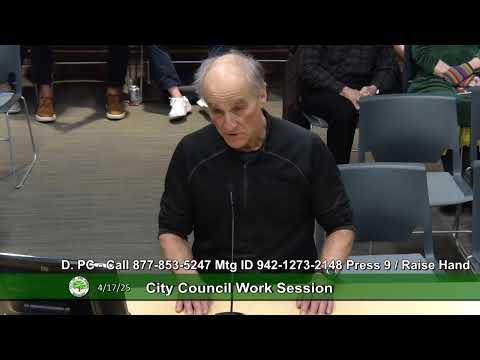
Public comment: Ken Garber (Second Ward resident) urged stronger climate and net‑zero measures for the project, pointing to the city’s A2Zero goals and calling for geothermal or battery‑based backup rather than gas generators.
Next steps: staff will continue negotiating PPA and Brownfield documents and will return to council for specific approvals (Brownfield plan and reimbursement, PPA, intent resolution and, later, final bond authorization for each deck) as conditions are met.