Citizen Portal
Sign In

Ann Arbor DDA recommends modest boundary expansion, shift to gain‑share TIF and a downtown service team

3045327 · April 18, 2025

Loading...

AI-Generated Content: All content on this page was generated by AI to highlight key points from the meeting. For complete details and context, we recommend watching the full video. so we can fix them.

Summary

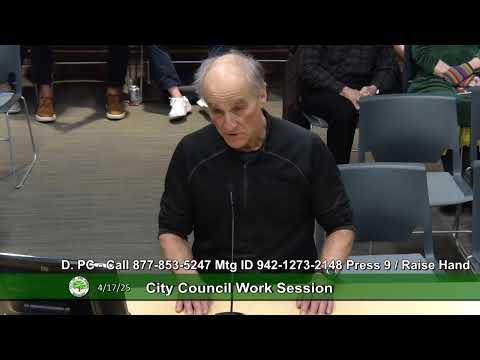
At an April 17 Ann Arbor City Council work session, the Downtown Development Authority recommended a moderate expansion of its boundary and a move from the current TIF cap to a percentage “gain‑share” model to raise revenue for infrastructure, affordable housing and a proposed downtown service team.

At an April 17 work session of the Ann Arbor City Council, the Downtown Development Authority presented a draft development plan that recommends a moderate expansion of the DDA boundary and a switch from the city’s current TIF cap to a percentage-based “gain‑share” distribution.

The change is intended to increase funds available for downtown infrastructure, maintenance and affordable-housing support while allowing taxing jurisdictions to continue receiving growth in revenue. "We are actually going to be landing on a recommended scenario that includes a moderate boundary expansion and a shift to a gain share model of TIF distribution. We believe this is a good middle ground approach," DDA representative Maura Thompson said during the presentation.

The DDA told council members the plan is built around three elements: the district boundary, a finance plan and a list of potential projects. Amber Miller, the DDA’s capital projects and planning manager, said projects range from streetscape and utility upsizing to public art, transit-supportive investments and remediation of underutilized parcels including 721 North Main. "Great downtowns have a focus on place making and creating spaces that welcome all people," Miller said.

Longstanding limits on Ann Arbor’s TIF mean the DDA currently captures revenue under both a bottom rule (no inflation capture, retained by taxing units "per ordinance") and a top cap. Consultant Rob (last name on file) said the current 10‑year projection under the existing 3.5% cap would yield about $117,000,000 to the DDA, compared with $210,000,000 if the cap were removed entirely. He said the recommended gain‑share model would yield about $147,000,000 over 10 years for the original district.

Rob (Mission North/finance lead) described a gain‑share approach modeled on Grand Rapids’ recent change: instead of a fixed cap, taxing authorities agree on a percentage split so that revenues grow together. He said the DDA recommends locking a 30%/70% split (30% to taxing authorities, 70% to DDA capture) for the original district; expansion areas would use a stepped approach that begins with 100% capture to the DDA and later transitions toward a share.

The DDA presented four scenarios to show tradeoffs: (A) current boundary with cap (status quo), (B) current boundary with gain share, (C) expanded boundary with cap, and (D) expanded boundary with gain share. Scenario D — expanded boundary plus gain share — was identified by staff as the recommended approach because it produces the most funding for projects, the DDA said.

The DDA also proposed a downtown service team to address recurring maintenance and operational gaps raised by businesses and residents — things like snow removal at crosswalks, ADA ramp upkeep, barricade deployment for events and sidewalk cleaning. Rob said preliminary modeling budgets roughly $1,000,000 a year for a turnkey service team and described a vendor model with about eight employees (some seasonal), leasing equipment rather than purchasing it outright.

Council members probed labor and contracting implications. Councilor Ryan asked specifically about union representation for the service‑team positions and said if the city creates those jobs she expects them to be "good, well paying union jobs." The DDA answer noted Block by Block — a national provider the DDA consulted — has both union and nonunion operations in different cities and that those workers are represented in some places by Teamsters and SEIU. Several council members said they favor exploring unionized employment or comparable protections for workers.

Council members also asked about how expansion areas were selected. Miller said the DDA used 18 months of public engagement, coordination with city planning documents (including the downtown circulation study and the draft comprehensive plan), and an infrastructure‑needs analysis that mapped high, medium and low levels of required public investment by corridor. Key expansion corridors shown to council included North Main and Division/Broadway, Packard and South Main and areas south of South University.

Next steps: the DDA will finalize a development plan and a tax increment finance plan required by statute, and return to council on Aug. 18 with formal documents. The DDA and the city administration said they will continue to refine projections and seek council feedback before any binding action. The administration indicated it will respond in writing after the city’s budget is rolled out next week.

Analysis and context: the proposal does not change tax rates; it changes how incremental tax growth is allocated among taxing units and the DDA. Under the DDA’s presentation, an expanded boundary plus gain share would fund more large projects and a service team and increase the DDA’s annual capacity for infrastructure and affordable‑housing grants, while also creating tradeoffs that the city’s general fund and other taxing units will want to review during the statutory plan and public review process.

Votes: no formal council votes on the DDA plan were taken at the April 17 work session; the presentation solicited direction and questions only.