Get Full Government Meeting Transcripts, Videos, & Alerts Forever!
Get email alerts on the Licensure Application Denial topic
No spam. Unsubscribe anytime.
Board denies Joseph Faye’s Minnesota license renewal application, cites undisclosed prior discipline
Summary
The Professional Educator Licensing and Standards Board adopted an administrative-law-judge-recommended order denying Joseph Faye’s renewal application after finding he failed to disclose prior discipline in Georgia and that the underlying conduct violated licensure standards, the Board said April 25.
The Professional Educator Licensing and Standards Board on April 25 adopted findings and an order denying the renewal application of Joseph William Faye, concluding the application contained false or misleading information and that his prior conduct met the board’s statutory grounds for denial.
Theresa Fleahubon, assistant attorney general representing the educator ethics committee, summarized the committee’s case: Faye applied on April 29, 2024 to renew a Minnesota teaching license that the committee said had expired in 1992 and incorrectly answered “no” when asked whether he had ever had an educational license disciplined in another state. The committee presented records showing the Georgia Professional Standards Commission suspended Faye in 2010 based on findings of an inappropriate relationship with a student during the 2007–08 school year. The committee moved for summary disposition before an administrative law judge; the ALJ recommended denying the application and concluded the failure to disclose the prior discipline constituted misrepresentation or fraud and that the conduct itself violated standards of moral character regardless of subsequent developments.
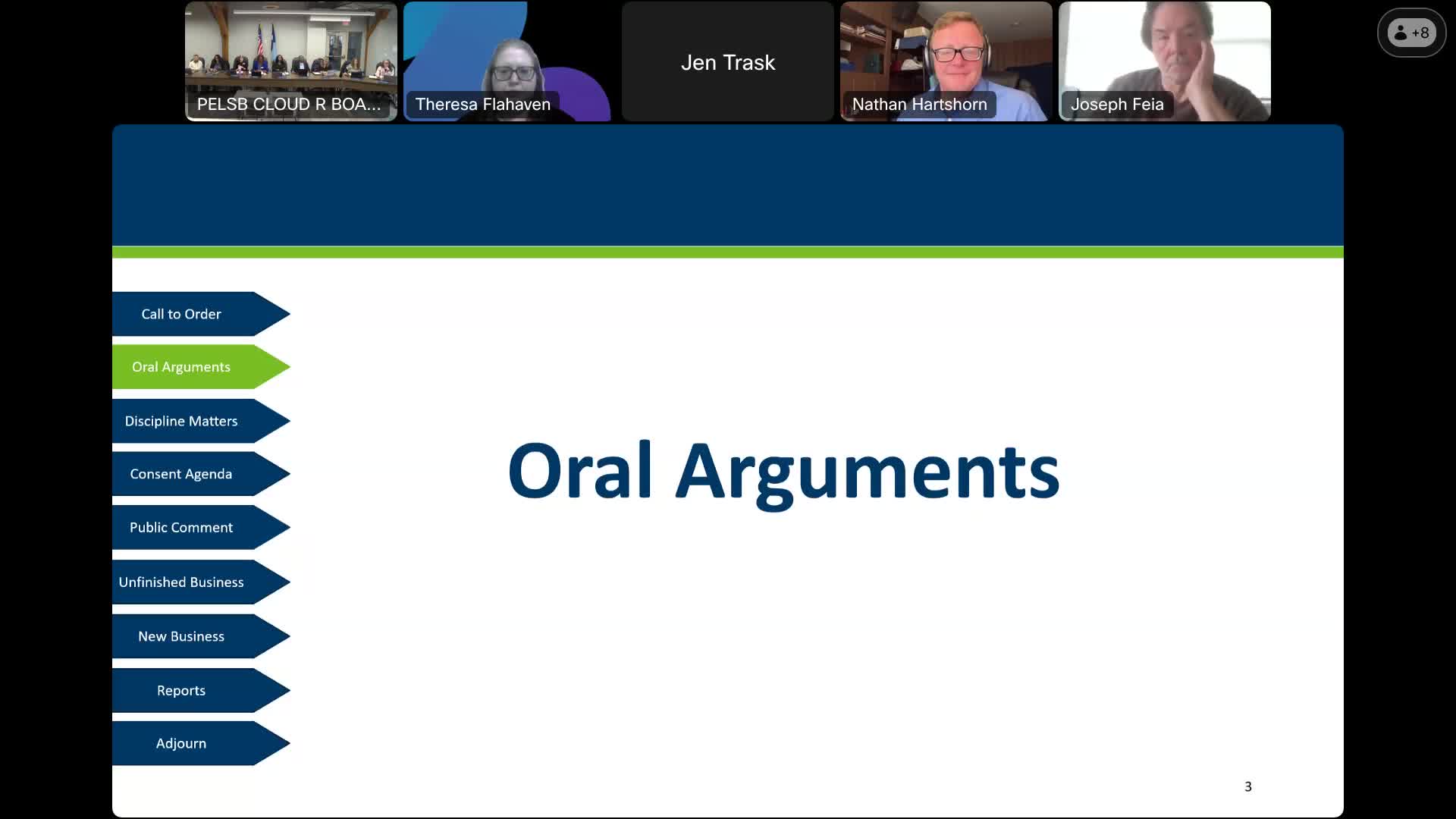
Faye spoke in his own defense at the hearing. He said he had been terminated in Georgia, later agreed to a suspension in lieu of termination while pursuing a hearing, and that he ultimately held licenses granted in California and Massachusetts after those states investigated and issued him licenses. He told the board he relied on guidance from Massachusetts officials who, he said, advised him to change earlier application answers to reflect that the matter had been resolved. Faye acknowledged an error in answering the Minnesota renewal questions but disputed the committee’s characterization of his conduct.
Fleahubon told the board much of Faye’s oral argument fell outside the hearing record and reiterated that the administrative law judge’s recommendation rested on Georgia’s record and the committee’s uncontroverted evidence that Faye failed to disclose prior discipline on his Minnesota application. The committee recommended the board adopt the ALJ’s recommended decision and deny the application.
After legal instructions and closed‑session deliberation, the board announced it had adopted findings of fact, conclusions of law and order denying Faye’s renewal application. The Board’s public announcement did not include a roll-call tally. A written order and explanation of the board’s decision will be mailed to the parties.
Why it matters: The board enforces disclosure requirements on licensing applications; failure to disclose prior discipline may be treated as fraud or misrepresentation under the licensure statutes the committee cited.
Next steps: The board will issue a written order. The order may include findings based on the ALJ’s recommended disposition; the affected applicant has the right to seek further review according to administrative procedures.