Get Full Government Meeting Transcripts, Videos, & Alerts Forever!
Get email alerts on the Trade And Agriculture topic
No spam. Unsubscribe anytime.
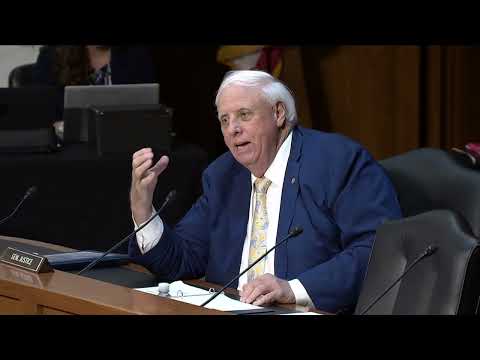
Sen. Schiff presses Mr. Lindbergh on trade steps to help farmers and ranchers
Summary
Sen. Schiff told Mr. Lindbergh that farmers and ranchers are "in real trouble" and asked what immediate steps would be taken to shield agricultural producers from trade shocks; Mr. Lindbergh called for a targeted, market-access strategy and pledged to work with farm groups.
Sen. Schiff pressed Mr. Lindbergh on concrete steps to protect farmers and ranchers from the impact of current trade policies, saying producers are "in real trouble" and urging quick action to shore up commodity prices and reduce input costs.
The senator said farmers and ranchers were worried about trade and tariffs and asked Lindbergh how he would support President Trump's trade agenda while ensuring agricultural producers are not "caught in the middle of the crossfire." "We're losing this battle. Our farmers and our ranchers are in real trouble. Real trouble," Sen. Schiff said.
Mr. Lindbergh responded that he supports a strategic, targeted approach to increase market access for U.S. farm products. "From my perspective, President Trump has already begun the process of righting this wrong and righting this ship," Lindbergh said. He said the administration's role should be to "invite our farm groups in... figure out what are those markets where we're deficient... what are the exact commodities and what are the dollar values we can expect" and then work to remove trade barriers so farmers and related businesses can "get out there and win the day alongside us." "And I commit to doing that with you," Lindbergh added.
Sen. Schiff also referenced the broader debate over tariffs and trade, saying the question of whether tariffs are "good" or "bad" has dominated discussion but stressing that farmers need practical relief. He used a long-standing example to illustrate how farm income translates into consumer products, saying historically the corn content of a box of cornflakes represented only a fraction of a cent when corn was priced at $3 a bushel, to underline how small commodity-price changes can matter to producers.
The exchange focused on discussion and commitments to pursue market-access strategies; no formal actions or votes were recorded in the transcript excerpt.