Get Full Government Meeting Transcripts, Videos, & Alerts Forever!
Get email alerts on the Transit Funding And Economic Development topic
No spam. Unsubscribe anytime.
Montgomery County leaders warn SEPTA shortfall could harm commuters; highlight county investments in life‑sciences startups
Summary
At the May 1 meeting, county leaders warned of SEPTA’s $213 million shortfall and urged residents to advocate for state funding. The board also highlighted new county-supported investments in local startups, including a $500,000 Industrial Development Authority commitment to Ben Franklin Technology Partners.
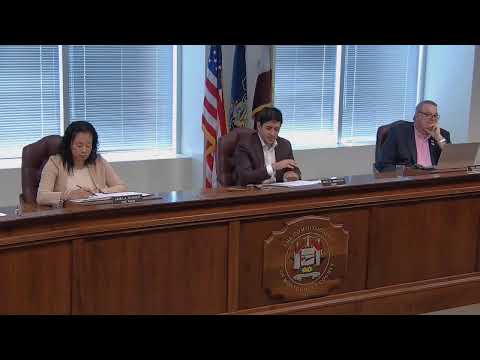
Montgomery County leaders used the May 1 Board of Commissioners meeting to warn residents about a projected funding shortfall at the Southeastern Pennsylvania Transportation Authority and to promote recent county investments in area start-ups.
Speaking near the start of the meeting, a county commissioner said SEPTA faces a roughly $213,000,000 gap and urged public advocacy as Harrisburg debates transportation funding during the budget season. The commissioner said service reductions would have "horrific" consequences for Montgomery County if bus and rail lines that serve county commuters were cut, and asked residents who rely on SEPTA to share their stories with county officials to strengthen the case for investment by the state.
The same opening remarks also spotlighted economic development work by the county’s Commerce Department and the Industrial Development Authority. The board noted the authority committed $500,000 to Ben Franklin Technology Partners in Southeastern Pennsylvania, described as an early-stage investor and nonprofit that supports regional startups; county officials said prior investments brought the total county-related funding in the program to about $1,500,000.
County leaders linked both items to broader economic and quality-of-life concerns: they said dependable transit is critical to property values and commuting options and that supporting life‑sciences and technology startups promotes local employment and innovation. The county asked residents to make their voting and advocacy plans known and to contact county offices or elected officials with experiences that illustrate the importance of transit funding.