Get Full Government Meeting Transcripts, Videos, & Alerts Forever!
Get email alerts on the Veteran Homelessness topic
No spam. Unsubscribe anytime.
Houston officials and service providers say housing is the top priority for area veterans
Summary
At a Houston veterans town hall, city and county officials, the VA and homeless-service providers said housing — including vouchers and rapid rehousing — is the most urgent need for veterans; speakers cited recent counts, limited VASH allocations and city programs that aim to expand housing access.
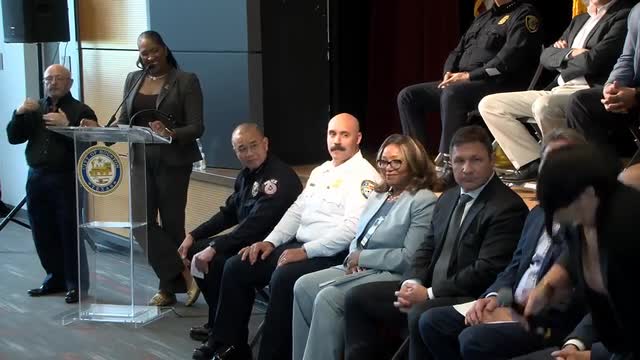
City of Houston and Harris County officials, veterans-service providers and the Michael E. DeBakey VA Medical Center told attendees at a May veterans town hall that housing remains the single most urgent need for local veterans.
Speakers cited the homelessness point-in-time data, limits in voucher allocations and local programs intended to speed veterans into stable housing.
At the town hall, Angel Garment, manager of the homeless response system at the Coalition for the Homeless, said the 2024 point-in-time count recorded 213 homeless veterans in the Houston area and that about 10 percent of those met the federal definition of chronically homeless. Garment noted the point-in-time count measures a single night and “may not be exact,” but said the figure is the basis for planning the homeless response system.
Rakesha Thomas, assistant director for special programs administration at the Houston Housing Authority, said the authority currently holds 1,172 Veterans Affairs Supportive Housing (VASH) vouchers. “That allocation is not nearly enough,” she said, and urged veterans in need to work with the VA for referrals.
City officials outlined local programs intended to reduce veteran homelessness. Nick Abels, coordinator of homeless initiatives in the City of Houston’s Housing and Community Development Department, highlighted long-term reductions in veterans experiencing homelessness and described the city’s goal of “complete eradication of street homelessness,” a target that city staff called ambitious but central to planning. Cedric Lassagne, assistant director in Housing and Community Development, described homebuying and repair programs that can include up to $125,000 in down-payment assistance for eligible applicants.
Dave Lewis, executive director of Harris County Veterans Services, described three core service lines in his office — claims and benefits, suicide prevention and reentry services for justice-involved veterans — and noted the county’s recent investment in staff: “We’re 27 people strong now,” he said, and the office operates a VA-funded suicide-prevention team that helps with outreach and crisis response.
Speakers and elected officials also discussed coordination among local partners. The Coalition for the Homeless manages coordinated entry and the Homeless Management Information System (HMIS) used to target housing and supportive services, while county and city agencies link veterans to claims assistance, emergency financial help and longer-term reentry or treatment resources.
Several speakers, including Councilman Willie Davis and Dr. Lashandra Jones of the mayor’s veteran affairs office, urged attendees to take part in outreach and to raise the issue with elected officials. City and county staff said housing — getting people sheltered and moved quickly into vouchers or subsidized units — is the top immediate need, followed by food security and mental-health services.
Officials encouraged veterans and community organizations to use existing referral portals and to contact local service providers for help with applications, claims and emergency assistance.