Get Full Government Meeting Transcripts, Videos, & Alerts Forever!
Get email alerts on the Automated Enforcement topic
No spam. Unsubscribe anytime.
Syracuse parking staff outline staffing, signage and payment plans as automated enforcement rolls out
Summary
Parking bureau staff told the Syracuse City Council the city will roll out automated enforcement for school bus stop arms, red lights and school speed zones with Genoptic, and requested additional staff, hearing capacity and outreach measures to handle higher ticket volumes and disputes.
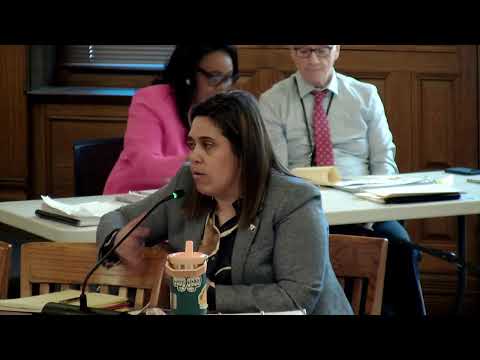
Leah, a parking bureau staff member, told the Syracuse City Council the city is preparing to roll out automated enforcement using Genoptic for school bus stop arms, red-light cameras and school speed zones and requested additional staffing and resources to handle the expected volume of tickets and hearings.
Leah said the city is installing handheld devices in patrol cars and expects both more electronic tickets and more disputes as automated evidence becomes available. “It's finally at a point where we can see it go up based on the changes that they're making,” Leah said. “The day to day, year after year, SPD is gonna have to review and verify every ticket that goes out the door, and then we need to handle all of the hearings for anybody that wants to dispute it.”
The parking staff described the rollout as three distinct programs under one vendor: school bus stop-arm enforcement, red-light enforcement and school speed-zone enforcement. Leah said the city selected Genoptic because it could provide all three services. She said the city negotiated a multiyear contract that she believes is five years in length and described revenue-sharing and fine amounts as follows (figures reported by staff): school bus stop-arm fines initially at $2.50 with step increases ($25 additional for second and third tickets within 18 months), with a 55/45 split in favor of the city; red-light and school speed-zone fines at $50 with a roughly 65/35 split. Leah said an activity-indicators chart she provided showed an $11,000,000 total tied to automated enforcement activity.
Staff provided current dispute and enforcement figures to show expected workload. Leah said just under 15% of parking tickets are paid within 90 days, about 15% are in collections, and roughly 6% of parking matters are under dispute (she noted this dispute rate is lower than the usual 8–10% seen previously). She added that once a vehicle has three or more tickets in collections it becomes eligible to be booted.
To adjudicate anticipated disputes, the parking bureau asked the council to retain a currently vacant supervisor position and to add an additional clerk and two information aides. Leah said the bureau also wants to increase the hourly rate and the number of hearing examiners to match or approximate the New York State assigned-counsel rate; she proposed a larger pool of examiners for scheduling flexibility. On hiring and pay, Leah said a supervisor salary was budgeted at about $60,000 but that final grade and benchmarked pay still require county approval.
Leah described several equity and access measures the bureau plans to implement: a public-facing web portal and QR code on mailed tickets to view evidence and pay or contest online; a kiosk at city facilities and the ability to pay cash at the Citi Payment Center for residents without bank accounts; and mailed or emailed dispute forms on request. Leah said Genoptic also provides a self-service portal and that the city’s own municipal-violation portal (AIMS) is being integrated where practical.
Leah said signage and legal standards will shape the rollout. She said signage notifying drivers of automated enforcement will be placed at city limits on major roadways and that each program requires uniform signage per the law — for example, school speed-zone signs at each school zone, with the option to add signs for summer-school hours. Leah also said the vendor can geofence locations and use AI to refine detections if the city identifies problems.
Staff reiterated that the Syracuse Police Department and the parking bureau will bear most of the ongoing operational workload for verifying tickets and running hearings, while the Department of Public Works, communications, digital services and finance will handle installations, outreach and payment/collection integration. Leah said training and attendance at industry conferences will continue; the bureau has joined the New York State Parking Transportation Association and an international partner for training and micro-credentials.
No formal council votes on the hiring or contract terms were recorded during this portion of the meeting. Leah said the rollout is expected to generate revenue the first year and fluctuate in later years as behavior changes; she emphasized the stated public-safety goal: “The goal is safer, you know, keeping kids safer.”
Next steps described by staff included finalizing the Genoptic contract details, completing signage and geofencing as needed, integrating payment and evidence portals, securing county approval for salary grades, and adding hearing-examiner capacity before the programs fully launch.