Get Full Government Meeting Transcripts, Videos, & Alerts Forever!
Get email alerts on the Taxation Sales Tax Timing topic
No spam. Unsubscribe anytime.
Committee hears bill to clarify timing of sales tax on sporting-event tickets
Summary
Senate File 3228 would clarify that under the accrual method sales tax on tickets is due when the event occurs; sponsors say the change codifies existing industry practice and resolves a Department of Revenue timing question. The Taxes Committee laid the bill over after testimony from team finance officials and questions about fiscal-year timing.
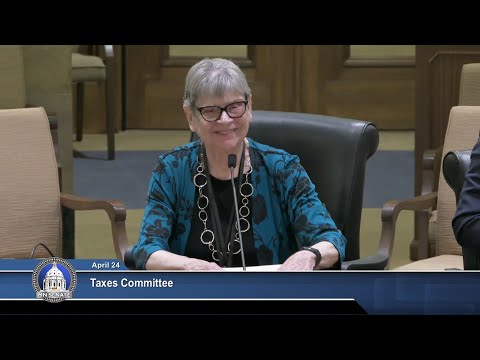
Senate File 3228, a bill to clarify when sales tax is due for advance ticket sales under the accrual method, was considered April 24, 2025 by the Minnesota Senate Taxes Committee. Sponsor Senator Frentz presented the bill and Kate Chabliskey, chief financial officer of the Minnesota Vikings, testified for the teams. The committee laid the bill over.
The bill would specify that, for entities using the accrual method of accounting, sales tax on ticket sales is owed when the event that fixes the right to the revenue occurs — in other words, when the game or performance is actually held. “This bill is about a simple matter of not how much, but when sales tax is remitted to the State of Minnesota,” Senator Frentz told the committee.
Committee members heard that teams and entertainment venues have long remitted tax on an accrual basis and that the bill is intended to resolve a differing interpretation raised by the Minnesota Department of Revenue. Kate Chabliskey said sports teams “have been accounting for sales tax on the accrual basis for both income tax and sales tax since the beginning of our respective league operations. This means we remit sales tax as the games are played.” She cited the “all events” test used in tax accounting and gave COVID-era cancellations and an overseas game as examples where collected ticket revenue was later refunded and not recognized as income.
Senator Nelson and other members asked why a fiscal estimate exists if, as supporters say, teams already follow the practice the bill would state. Senator Frentz and a testifier explained the fiscal note reflects timing shifts across fiscal years rather than an increase in total tax owed. “In the real world, there would be 0 impact. But the fiscal note would tell you had we received it earlier, it would have affected one fiscal year differently than another. Not the total, but the timing,” a sponsor told the committee.
Committee discussion also covered Department of Revenue outreach; sponsors said the department had raised interpretive questions and that staff had worked with teams and that the department is neutral on the bill. No roll-call votes were recorded on the floor; the committee laid the bill over for further consideration.
Senate File 3228 was laid over by the committee with no final action taken at the hearing.