Get Full Government Meeting Transcripts, Videos, & Alerts Forever!
Get email alerts on the Food Dyes Schools topic
No spam. Unsubscribe anytime.
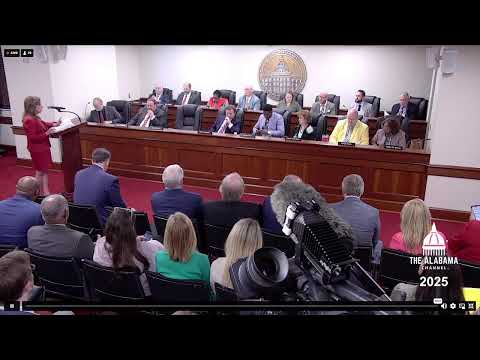
Public hearing held on bill to ban certain red dyes in K–12 school foods; vote set for next week
Summary
House Bill 491 drew testimony from its sponsor and beverage industry representatives and prompted a State Department of Education request to delay implementation; the committee scheduled a vote for next week.
House Bill 491, filed by Representative Ingram, received a public hearing April 23 on a proposal to prohibit specified red food dyes and related additives in foods provided in public K–12 schools.
Why it matters: The bill targets ingredients used in school-provided meals and vending options; supporters argued the change would protect children’s behavior and health, while industry witnesses warned a state-level ban would create regulatory confusion and impose procurement costs.
Sponsor and supporters Representative Ingram said constituents — including family members who visit her restaurant — urged action and said multiple states have pursued similar measures. She described the bill as directed "for our kids" and said the Alabama Board of Education supports the policy but had asked for a later start date because many food contracts are already in place.
Industry and procurement concerns Virginia Bannister of the Alabama Beverage Association, representing bottlers including Buffalo Rock Company and Coca-Cola United, urged the committee not to move forward. "HB 491 would place the state of Alabama in an unprecedented position of regulating food and beverage ingredients. That's a role currently held by the US Food and Drug Administration," she said, arguing that a state-by-state patchwork would create confusion for producers and retailers.
State Department of Education representation at the hearing emphasized procurement timing and contract cycles. A department representative told the committee that school nutrition contracts are set early and that, because of budgets and purchasing timelines, the department requested an amendment to delay compliance until the next school year so it could RFP and implement the change.
Federal timeline and committee action Committee members referenced recent federal actions. One representative noted the Food and Drug Administration has set timetables for removing certain red dyes from some food and drug uses, and panel members discussed aligning a state effective date with the federal timeline.
The chair said the committee would "put this on the calendar next week and we will have a vote on this." No committee vote on the bill was recorded in the April 23 hearing transcript excerpt; the hearing concluded after extended questions from committee members about scope (meals provided by the school versus individually brought lunches or classroom treats).
Clarifying details - Scope: Sponsor said the bill applies to "any meals provided in K through 12" public schools; she said the ban would apply to school-provided lunches and breakfasts and asked whether vending machines or teacher purchases may be covered. - Start date: Sponsor discussed an amendment to delay implementation to the 2026–27 school year to accommodate existing contracts; the State Department of Education requested a similar delay to allow contract and procurement cycles to adjust. - FDA reference: Committee discussion referenced federal action on FD&C Red No. 3 with agency timelines cited in testimony (committee members discussed a January 15, 2027 deadline for certain FDA actions and a January 18, 2028 deadline for drug manufacturers in the context of federal phase-outs as referenced in the hearing).
What the committee did not decide The committee did not record passage or defeat of HB 491 on April 23; the chair scheduled the measure for a vote the following week. The transcript contains no adopted amendment text in committee on April 23.
Ending note With a vote set for the next committee session, HB 491's prospects will hinge on how the committee balances public-health and behavioral claims cited by proponents with procurement and regulatory concerns raised by industry and the State Department of Education.