Get Full Government Meeting Transcripts, Videos, & Alerts Forever!
Get email alerts on the Fy26 Budget topic
No spam. Unsubscribe anytime.
Saint Paul Public Schools presents FY2026 budget shortfall, outlines cuts, use of reserves and timeline
Summary
District finance leaders told the Board of Education and the public that Saint Paul Public Schools faces an estimated $51.1 million shortfall for fiscal year 2026 and described a mix of reserve use, department reductions and revenue steps to balance the budget; public comment followed.
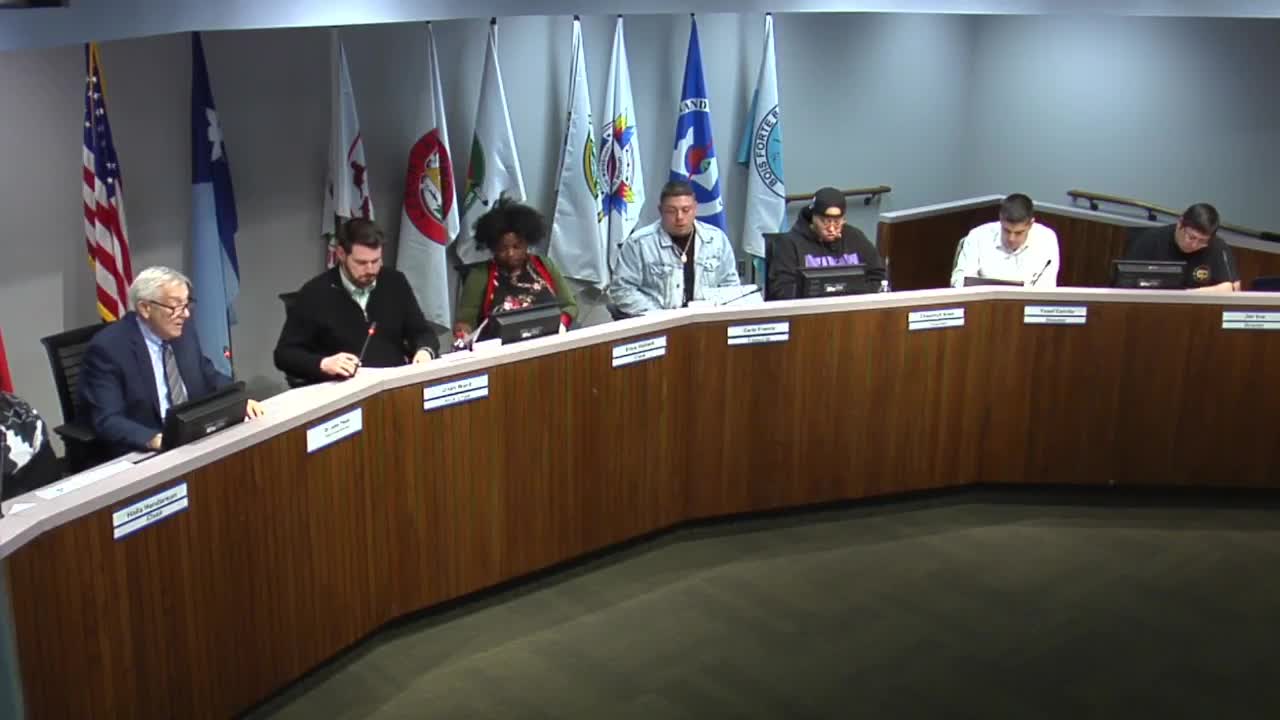
At a special April 29 meeting, Saint Paul Public Schools finance leaders told the Board of Education that the district faces an estimated $51.1 million shortfall for fiscal year 2026 and outlined steps the district plans to take to balance the budget.
Tom Sager, the district’s chief financial officer, told the board and the public the shortfall results primarily from rising employee wages and benefits and higher operating costs while most categorical state and federal revenues do not increase automatically with inflation. Sager said the district expects its per-pupil base general education formula to increase from $7,281 to $7,481 next year, and that roughly 70 percent of a district’s revenue typically comes from the state.
Sager said the district plans to close much of the gap by drawing on reserves and a combination of budget cuts and new revenues. He characterized reserve funds as the district’s savings account and said a portion of the shortfall would be covered by reserves; remaining reductions and new revenue are expected to cover the rest.
Dr. Stacy Grazhea, a district leader who described the budget development process, said that schools and central offices received FY2026 allocations in March and April and that principals and department leaders are making staffing and programming choices based on those allocations and contractual obligations. She described a year-long engagement and priority-setting process drawing on input from more than 10,000 students, staff and families and said the board’s January parameters emphasized sustaining early education, increasing enrollment, and sustaining expenditures tied to student engagement and attendance.
Grazhea said the district identified $11.5 million in reductions across divisions and schools: approximately $6.4 million from schools and learning, $3.8 million from administration and operations, and $1.3 million from finance, human resources and strategy/equity/innovation, with additional smaller reductions (board, general counsel, districtwide supplemental pay) of about $650,000. The district also reported that allocations to schools increased by roughly 6 percent from the prior year—about $26.2 million—driven by higher enrollment and greater special education needs.
Sager and colleagues explained that after initial reductions the district still faced additional fixed costs (transportation, substitutes, utilities, technology and supplemental pay) that raised the remaining deficit; they also said the district identified additional revenues (including higher-than-projected sales or program revenues) that made balancing possible without relying on one-time, uncertain federal rebates.
Leadership said the district expects to use a portion of its fund balance (reserves) and a combination of the identified reductions and revenues to reach a balanced FY2026 budget. The board’s calendar on April 29 shows the proposed FY2026 budget will be presented May 20, a draft recommended for approval will be discussed June 10 (committee/BOE schedule was discussed during public Q&A), and final statutory budget completion is required by June 30.
Board members and district leaders emphasized the constraints of timing: Sager and Vice Chair Ward warned that staffing allocations are increasingly difficult to change the closer the district gets to implementation (hiring, contracts and school scheduling), and that earlier public input in future cycles will make changes easier to implement.
The session closed by moving into the planned public comment period. No board vote on the FY2026 budget occurred at the April 29 meeting.