Get Full Government Meeting Transcripts, Videos, & Alerts Forever!
Get email alerts on the School Choice topic
No spam. Unsubscribe anytime.
Danvers School Committee approves inter-district school choice for 2025–26
Summary
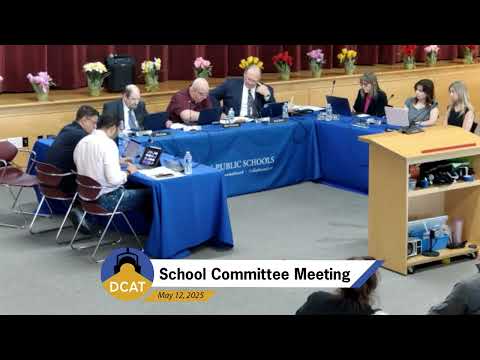
After a public hearing that included testimony from a parent and CPAC chair, the Danvers School Committee voted to accept inter-district school choice seats for the 2025–26 school year.
The Danvers School Committee voted to accept inter-district school choice for the 2025–26 school year after holding a public hearing and receiving public comment.
The decision follows a presentation by district staff explaining the municipal process and a public comment from Julie DiFilippo, chair of the Danvers CPAC (Community Parent Advisory Council), who urged the committee to approve choice and said the funding structure could help districts plan and expand specialized programming. "I think the funding mechanism is really a true benefit," DiFilippo said, citing Chapter 70 funding and the special-education “circuit breaker” reimbursement model.
Supporters on the committee framed the policy as a way to bring motivated students — and incremental funding — into Danvers schools. During discussion, committee members said the district had not received credible, fact-based objections in emails; instead, concerns they had seen were social or cultural in tone. After debate, a motion to accept school choice for 2025–26 passed on a voice vote: "All those in favor, please say aye," the chair called; the ayes carried.
Why it matters: Inter-district choice can change enrollment mix and bring additional per-pupil revenue under Chapter 70 and special-education reimbursement rules. Committee members said the policy could help the district plan services and potentially support regional specialization of programs.
What the committee heard: Julie DiFilippo, speaking as CPAC chair and a school social worker, told the committee she supports choice because it changes the funding flow from a reactive reimbursement model to more predictable incremental funding. She also said choice can broaden classroom perspectives and help prepare students for diverse workplaces. The superintendent and committee members noted procedural protections and an administrative framework the district will use to manage incoming students and associated services.
Next steps and limits: The motion approves acceptance of choice seats for the 2025–26 school year under the parameters presented by the superintendent. The committee did not set a precise number of seats during the meeting; the superintendent’s presentation described how the district will manage placements and services under existing state funding rules. Any individual student placements will follow special-education procedures and applicable state requirements.
Ending: The vote closes a public process that included a formal hearing and public comment. Committee members said they expect the district to monitor financial and programmatic impact and report back as needed.