Get Full Government Meeting Transcripts, Videos, & Alerts Forever!
Get email alerts on the Education Aspiring Educators topic
No spam. Unsubscribe anytime.
Tulsa board hears presentation, public comment on aspiring-educators policy; vote moved to next meeting
Summary
The Tulsa Public Schools board received a detailed presentation on the district's aspiring-educators program and discussed proposed renewal of Policy 42.11 governing adjunct/aspiring educators. The board did not vote on the policy; the item was scheduled for the next regular meeting. Teachers'union leaders raised equity and placement concerns.
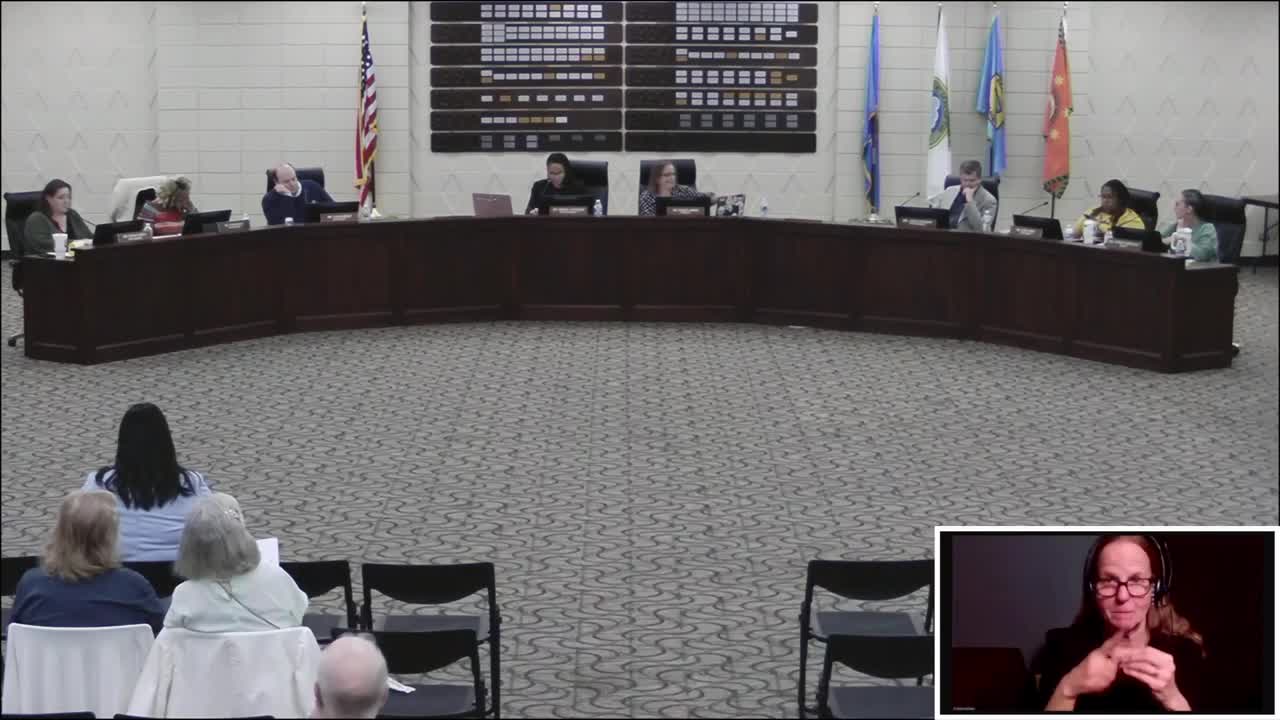
The Tulsa Public Schools Board of Education heard a presentation and public comment Monday about renewing Policy 42.11, the district's rules for adjunct and aspiring educators, and agreed to place final action on the item at its next regular meeting.
The policy renewal was introduced as agenda item G1; Superintendent Johnson and Chief Talent Officer Dr. Kim Dice led a briefing on the district's aspiring-educators program, which the board approved last year. The presentation described the program as a pipeline for individuals working toward certification who are placed in classrooms under district supervision and receive coaching, mentoring and coursework to finish degrees and credentials.
Board members were told the program has expanded and shown early progress: the district reported that about 40% of aspiring educators have since earned bachelor's degrees and 16% have already transitioned to full certification. The presentation said the district hires aspiring educators who are at least 21 and have either an associate degree or are within 36 credit hours of a bachelor's degree; aspiring educators must earn certification within five years.
Aspiring educator Blair Blay, introduced during the presentation as a Disney Elementary staff member, told the board, "This program has been totally life changing for me," describing weekly mentor visits, Tulsa Way Saturday professional development and school-based support that she said helped her grow in the classroom.
Shauna Motwright, president of the Tulsa Classroom Teachers Association, urged the board to continue investing in teachers broadly while expressing concerns about equity and placement. "Please give us back our plan time," Motwright said, and she criticized situations she described where traditionally certified teachers were uncertain whether positions would be held open while the district determined whether an aspiring educator would return. Motwright also asked for data on aspiring educators' student outcomes and on whether aspiring educators were displacing certified staff.
Board members and talent staff spent substantial discussion clarifying job categories the district uses for near-certification hires: the presentation and staff answers distinguished "aspiring educators" (adjunct status under state rules, often with associate degrees or working toward a bachelor's), "apprentices" (described in the meeting as degreed individuals working toward certification), and "adjuncts/adjunct certified" (certified teachers teaching briefly outside their endorsement area). Chief Talent Officer Dr. Dice and other staff explained the district's classification and pay practices, noting the district brings aspiring and apprentice educators on at a $40,000 starting salary (as stated in the meeting) and that many apprentices move to the teacher salary scale retroactively once emergency or other certification is issued.
The board's discussion recognized the program's role in addressing teacher shortages while board members and union leaders pressed the district for clearer, consistent procedures on transfers, hiring preference for certified staff, mentoring coverage and how pay relates to certification status. Vice President Calvin Moniz and other board members praised the program's early graduation and certification rates while also asking for further clarification on apprenticeship versus aspiring educator pathways and long-term retention plans.
No action was taken on Policy 42.11 at the meeting. Board President Lampkin stated, "This item will be voted on at the next regular meeting of the board." The item therefore remains on the agenda for a future meeting, and the board will consider the policy after hearing the additional information requested during Monday's discussion.
The presentation also noted supports intended to retain teachers across the district, including the Oklahoma Teacher Empowerment Program, Tulsa Teacher Corps pathways, mentor teacher assignments and scholarships for aspiring educators to complete bachelor's degrees at local institutions.
Board and talent staff said the district would continue collecting outcome data for the program and work with principals on hiring and placement protocols. The board accepted public comment during the action item; speakers included a civic commenter who invoked the importance of faith and community support and a union leader representing district teachers.
Looking ahead, the district staff said they will provide the board with additional clarifications on classification, pay scales, certification timelines, mentor assignments and any data on student performance tied to aspiring educators prior to the policy vote at the next meeting.
Ending: The board recessed its discussion on Policy 42.11 without taking a vote; the policy renewal and related documents will return to the board at the next regular meeting for action and final vote as the district provides the additional clarifications requested by board members and teacher representatives.