Get Full Government Meeting Transcripts, Videos, & Alerts Forever!
Get email alerts on the Roads Infrastructure topic
No spam. Unsubscribe anytime.
Cochise County reviews engineering budget, highlights Kansas Settlement, Davis and Motion Road work and Douglas Port of Entry right-of-way
Summary
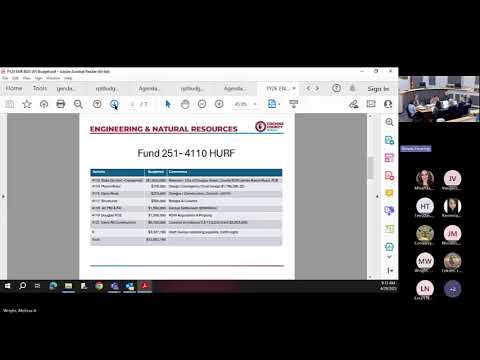
At an April 29 work session, county Engineer Jackie Watkins reviewed engineering and natural-resources budget highlights, including grants and planned construction on Kansas Settlement Road, Motion Road, Davis Road and right-of-way acquisition for the Douglas Port of Entry.
Cochise County Engineer Jackie Watkins told the Board of Supervisors at a work session April 29 that the county’s engineering and natural-resources budget includes multiple grant-funded road projects and right-of-way acquisitions, and that most items discussed were for planning, design or upcoming construction rather than immediate board action.
The briefing covered a range of projects: Kansas Settlement Road (a long, multi-mile rebuild estimated at about $30 million for the full corridor with roughly $1.5 million available now to repave about one mile), Motion Road (7.8 miles; an estimated $50 million construction cost with a $6 million grant and about $5.3 million remaining in that grant for right-of-way and early construction), Davis Road (design and right-of-way work with a grant application pending for a project cost of roughly $6.5 million) and the Douglas Port of Entry, for which Watkins said the city of Douglas included $1 million in grant funds as part of an $8 million package that will help pay right-of-way and related costs.
Why this matters: the projects combine local funds, federal and state grants and substantial right-of-way purchases. County officials said design, title work, appraisals and environmental clearances are under way on several items and that construction timing depends on available grant dollars, negotiated property acquisitions and competitive bids.
Watkins said the Kansas Settlement Road full reconstruction would cost about $30 million but the county currently has roughly $1.5 million allocated to repave or asphalt a short segment (about one mile) as money allows. She emphasized that mobilization costs for asphalt contractors can be substantial — often $200,000 to $400,000 — and that bundling miles into a larger contract can be more efficient than doing single-mile repairs year to year.
On Motion Road, Watkins described an earlier design effort and said the project’s construction estimate is about $50 million because the corridor requires multiple bridge and culvert structures for drainage. She said the grant tied to Motion Road provides funds for title work, appraisals and negotiations for about 49 properties; Watkins put the title/appraisal/administration estimate at roughly $576,408 for one right-of-way contract for a separate project and described the Motion Road right-of-way estimate as about $1.2 million in professional and acquisition services.
Davis Road work includes ongoing right-of-way acquisition. Watkins said the county has closed on 12 properties and is negotiating additional purchases; she said there is a reimbursable federal grant in the account that is being spent down for these acquisitions.
On the Douglas Port of Entry, Watkins said the county is performing right-of-way acquisition work for the James Ranch area, and that the city of Douglas’ $8 million package includes a $1 million allocation that will help cover right-of-way costs, title and environmental work; additional property costs will be determined once appraisals and offers are completed.
Supervisors asked several procedural and cost questions during the briefing, including why some construction spending sits under engineering accounts rather than a separate public-works construction line, how much is allocated to design versus construction, and whether county staff or outside contractors will perform specific tasks. Watkins confirmed designs are done in-house for many projects and that construction work and major mobilization will go to contractor bids.
The presentation also noted smaller engineering activities such as signs, staff survey and operating supplies and a contingency of roughly $1 million for emergency storm repairs. Watkins said some funding in project accounts is reimbursable through federal grants and therefore appears in parentheses on budget documents.
Ending: The board did not take action at the work session; members and staff treated the presentation as informational and directed follow-up on project specifics and timelines where appropriate.