Get Full Government Meeting Transcripts, Videos, & Alerts Forever!
Get email alerts on the Elections topic
No spam. Unsubscribe anytime.
Gates County elections office asks commissioners for additional full-time staff and pay increases
Summary
Gates County elections officials presented staffing challenges and a proposed budget that would add at least one full-time position, increase poll worker pay and shift more poll workers into the county payroll to avoid tax penalties.
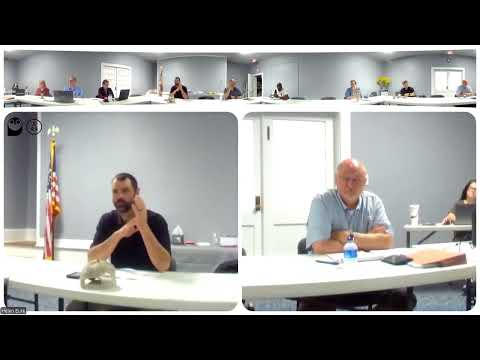
Gates County elections officials told county commissioners at their April 3 special meeting that persistent staffing shortages, new payroll rules for poll workers and rising costs have left the office seeking a modest budget increase and an additional full-time hire.
The elections director presented a proposed budget that preserves recurring operating costs and seeks a 5% salary increase (or the equivalent market adjustment), plus funding to convert one part-time position to full time so the office can meet certification, training and continuity needs. The director said many poll workers have been enrolled in the county payroll system to avoid tax penalties that arise when temporary workers exceed federal reporting thresholds; that change has increased payroll processing and staffing demands.
Why it matters: Commissioners were told the office is operating with limited staff coverage at times and that training and certification requirements for election workers mean the office needs reliable, regularly available personnel rather than relying on seasonal hires. Officials said staffing shortages create risk for operations during primaries, runoffs and recounts and can increase overtime or off‑schedule work for existing staff.
Officials described several specific budget pressures: higher pay rates the county recently set for poll workers (with some poll-day pay now at $15 an hour depending on duty), building rental for polling locations, and increased use of the county payroll system for seasonal workers to avoid post‑season tax liabilities. The director said roughly 45 poll workers are already in the payroll system, up from prior years; the requested budget would cover those recurring payroll costs for pre‑election work, three elections, building rental and part‑time staff lines.
Commissioners asked for comparative salary data from nearby counties and for a workload breakdown showing how the requested new position would reduce overtime or redistribute duties. Several commissioners signaled support for addressing retention and certification challenges but asked staff to produce clearer evidence of the workload and specific duties the new hire would take on before approving a recurring position.
The director also said the office had unanticipated expenses last election cycle — including additional primaries, recounts and payroll tax consequences for poll workers who exceeded federal reporting thresholds — and that those events strained the current budget. Commissioners discussed options such as formally adding an on‑call pay rate, adjusting comp‑time rules, or funding weekend/after‑hours temporary staffing during peak election periods.
Ending: Commissioners requested a supplemental memo with (1) comparative pay data for similar positions in neighboring counties, (2) a clearer breakdown of duties and time for the proposed full‑time position, and (3) an updated payroll/cost model showing the net county cost after expected reimbursements. No formal vote on the budget items was recorded at the April 3 meeting.