Lifetime Citizen Portal Access — AI Briefings, Alerts & Unlimited Follows
UNDP: Afghanistan posts modest GDP growth but household subsistence worsens, report finds
Loading...
Summary
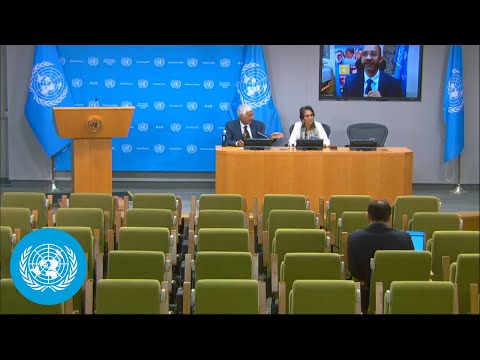
Ghani Wignaraja, UNDP regional director for Asia and the Pacific, and Stephen Rodriguez, UNDP resident representative in Afghanistan, presented a UNDP socio‑economic review titled “Fragile Gains, Deepening Subsistence and Security,” saying GDP rose about 2.7 percent while household indicators worsened.
Ghani Wignaraja, UNDP regional director for Asia and the Pacific, and Stephen Rodriguez, UNDP resident representative in Afghanistan, presented a UNDP socio‑economic review titled “Fragile Gains, Deepening Subsistence and Security” in a virtual briefing. They said Afghanistan’s gross domestic product registered a modest rebound to about 2.7 percent, but household‑level indicators show deeper subsistence insecurity and widening regional disparities.
The report finds a divergence between macroeconomic indicators and household living standards. "This country, by not allowing 50% of its workforce — i.e. women — to actually contribute fully to the economy probably loses approximately close to a billion dollars in 2023 and 2024," Wignaraja said, adding that the exclusion is roughly equivalent to six percentage points of GDP. UNDP data cited in the briefing put the share of Afghans who are subsistence‑insecure at about 75 percent and said roughly 90 percent have experienced a major economic or natural disaster shock that they cannot cope with.
Stephen Rodriguez said the apparent GDP improvement is fragile and accompanied by structural problems, including a ballooning trade deficit and a paralyzed international payments system that limits banks' ability to transact. "Over the last three months, the government has struggled to pay salaries for public sector workers," Rodriguez said, and UNDP data show household income and consumption declined significantly in 2024.
Speakers attributed part of the deterioration to steep cuts in international humanitarian assistance: the briefing said humanitarian funding dropped from about $3.2 billion in 2023 to roughly $1.6 billion in 2024. Rodriguez also reported large population movements: the briefing said more than 800,000 Afghans returned from Pakistan in 2024 and projected between about 600,000 and 1,500,000 additional returnees could come back in the near term. He warned that climate shocks remain significant, noting Afghanistan ranks among the countries most affected by climate change and that floods and droughts destroyed homes and livelihoods in the past year.
UNDP described programmatic responses it is already delivering and the gaps that remain. Rodriguez said UNDP has provided small community infrastructure reaching about 5.9 million Afghans, supported roughly 80,000 women‑run micro, small and medium enterprises with financing and training, and supplied off‑grid energy systems for health centers, schools and businesses. He warned, however, that recent global funding cuts are forcing service reductions: "Just in the last three, four weeks, we've seen over 400 health facilities that normally provide critical and life‑saving services closed and more are slated to close."
In questions from journalists, Georgia Garangioti of Athens News Agency and Cyprus News Agency asked whether neighboring countries and other UN member states are cooperating. Rodriguez said there is support from a range of actors, naming regional states (Tajikistan, Kyrgyzstan), China, Pakistan and Gulf countries including Qatar and Saudi Arabia as engaged on humanitarian assistance and advocacy on human rights and women's rights.
An online question asked whether the de facto authorities have taken steps to address the situation and whether access to Afghan funds is progressing. Wignaraja and Rodriguez said parts of the de facto administration have taken measures that improved revenue collection, small‑business tax relief, currency controls and poppy production control, but they also said roughly half of the state budget is allocated to security and defense rather than investment in human capital or infrastructure. Wignaraja described the de facto authorities as internally heterogeneous: some ministers and agencies can be engaged constructively while more conservative factions, particularly in southern provinces, prioritize strict social policies.
Both UNDP officials urged a shift in donor efforts from short‑term humanitarian assistance toward investments that can spur recovery and sustainable livelihoods. Proposed priorities mentioned in the briefing included water and irrigation projects, off‑grid energy, banking and microfinance to get capital to small businesses (especially women‑run businesses), credit guarantees and insurance products, and continued advocacy with the de facto authorities on policies that restrict women’s economic participation.
No formal decisions or votes were taken during the briefing. The presenters said the report is intended to inform donors, partners and governments about where investment could most quickly improve household resilience and to prompt renewed international engagement.
The briefing closed after a short Q&A and expressions of thanks to the presenters.