Get Full Government Meeting Transcripts, Videos, & Alerts Forever!
Get email alerts on the Healthcare Access topic
No spam. Unsubscribe anytime.
Senate passes bill to require emergency treatment for pregnancy-related emergencies after survivor testimony
Summary
Senate Bill 130, requiring emergency medical providers to treat pregnancy-related emergencies (including complications, miscarriage, and abortion-related needs) without denial, passed the Senate following testimony from a survivor who described being turned away from emergency care.
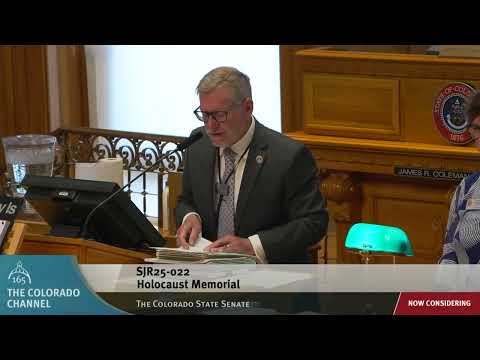
The Colorado Senate passed Senate Bill 130 on April 23 on third reading after floor debate that included survivor testimony describing denial of emergency care.
Sponsor Senator Weisman moved the bill and urged senators to approve it. During debate, the chamber heard testimony read from Emily Sheridan Mahoney, who described severe complications following an emergency cesarean delivery and said she was turned away from an emergency room when she needed care: “I was left to rot. My womb literally calcified in the last ditch effort to stop the infection,” the survivor’s testimony read into the record.
Supporters said the bill is straightforward: if a condition is an emergency, the provider must treat it regardless of whether it involves pregnancy, miscarriage or abortion. “Senate bill 1 30 is not complicated. If it's an emergency, treat it like 1 and provide patients with the life saving care they need,” the testimony urged.
Opponents registered a spectrum of views; after debate the chamber recorded a roll-call vote with a tally reported in the transcript as 23 ayes and 12 noes, and the bill was passed.
Why it matters: Sponsors said the bill addresses instances in which pregnant or postpartum patients have been denied emergency care. Supporters called it a patient-safety measure; opponents raised concerns that the bill’s language and obligations could require additional administrative or clinical clarification.
What’s next: The bill passed the Senate and will continue through the legislative process for remaining steps and enrollment.