Get Full Government Meeting Transcripts, Videos, & Alerts Forever!
Get email alerts on the Abortion Expert Testimony topic
No spam. Unsubscribe anytime.
Expert witness testifies abortion causes harms to women and calls it 'murder'; testimony partially stricken
Summary
Plaintiff expert Dr. Rubenhorst testified that she views abortion as intentional feticide with no benefits and said physicians who perform abortions have 'committed murder' (as she framed the view), testimony that opponents moved to strike in part and which the parties partly agreed to remove from the public transcript.
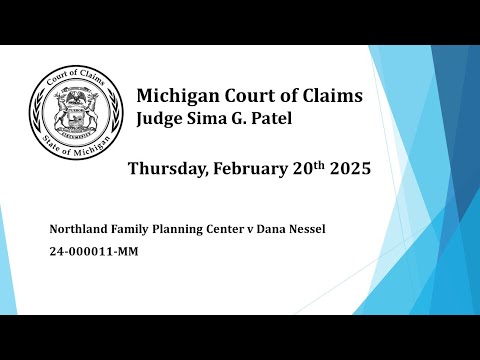
Dr. Rubenhorst, testifying as an expert for the plaintiffs in Northland Family Planning Center v. Dana Nessel, told the court she believes abortion “defined as intentional feticide” has no benefits to women and that physicians who perform abortions have, in her view, killed a human being.
Under cross‑examination, counsel asked whether the witness believed physicians who perform abortions “have committed murder.” The witness replied she had “considered” that they had, clarifying she meant from the standpoint that she believes the fetus is a human being and that the action kills that human being, and she did not claim to know the fine legal distinctions among homicide, murder and manslaughter.
The cross‑examination elicited additional contested material. Counsel for intervening defendants and other parties later conferred about which portions of the expert’s testimony would remain in the public transcript; the parties agreed on limited page‑and‑line ranges to strike (see separate procedural article). The court also allowed cross‑examination for impeachment and asked that the redaction disputes be briefed in writing for any further relief.
Key points from the testimony and cross examination
- On literature and published work: the witness acknowledged relying on and citing a number of studies in her reports and articles, including work by David Reardon. She described how she conducts literature reviews and estimated reviewing dozens to hundreds of articles for expert work.
- On clinicians who perform abortions: Rubenhorst said her experience and conversations with colleagues suggested many physicians who initially intended to practice abortion stopped within several years; she characterized this as a “nuanced” effect but stated she had cited research supporting attrition in abortion practice after residency.
- On legal and moral labels: when asked whether abortion should be considered health care, the witness said she does not believe abortion should be called health care; she acknowledged Michigan law defines abortion as health care and states abortion is a human right, and said she worked within that statutory framework for the purposes of her deposition and testimony.
Why it matters: The expert’s candid moral views and the use of strong language during cross examination prompted immediate disputes about the trial record and which portions of testimony should be available in the public transcript. Those redaction requests are being briefed on an expedited schedule and could affect appellate review.
What was not established in court: The witness stated moral positions and referred to literature she relied on, but the court did not adopt any factual finding about the validity of the cited studies while on the record. Portions of the testimony are the subject of negotiated redactions and potential future motions.
Attribution note: Quotations in this article come from on‑the‑record examination and cross‑examination of the witness during the trial.