Get Full Government Meeting Transcripts, Videos, & Alerts Forever!
Get email alerts on the Housing Fund Str topic
No spam. Unsubscribe anytime.
City review of short-term-rental revenue shows $1M unexpended; council debates use for staff vs. housing acquisitions
Summary
City finance staff reported about $1 million in unexpended short-term-rental (STR) tax funds earmarked for Seaside’s affordable housing program and laid out how STR allocations have supported staffing and program activities.
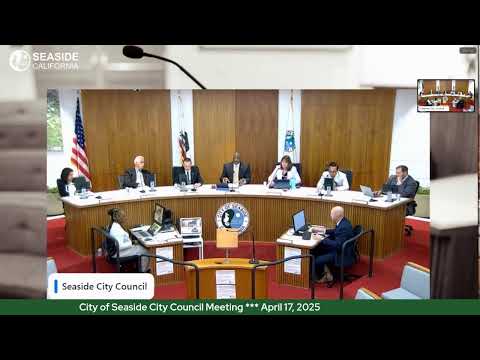
Finance Director Jessica Riether presented a detailed accounting of short-term-rental (STR) transient-occupancy-tax revenue allocated to the City of Seaside’s affordable housing program and described how funds have been used since the program’s 2019–20 start.
Riether reported that the STR program has generated an average annual allocation near $400,000, that 50% of STR net TOT is set aside for the housing fund by municipal code, and that cumulative STR allocations to the affordable housing program total about $1.9 million since inception. Of the amounts allocated to the housing program’s operating fund (the fund that pays staff and program administration), cumulative expenditures were roughly $986,000 and the projected unexpended fund balance at the end of FY 2024–25 is about $1,000,000.
Riether said grant revenues reimburse much staff time, and that 85% of expenditures shown in the presentation were staff-related; she also explained that other, larger affordable-housing funds the city manages are more restricted and are used for property purchases and capital projects. Riether told the council the city will budget for a housing program manager (vacant) and an administrative assistant in FY 2025–26 and estimated staff costs would be roughly 70% of the STR allocation if staffed at planned levels.
Council members asked whether STR funds could be used to acquire property. Riether said purchases have come from a larger, separate affordable-housing fund, but that the STR-funded affordable-housing operating fund is less restricted and could be used for acquisition if council directs it. The council discussed whether paying staff out of the STR fund was appropriate; several members said ongoing staff costs should be matched with ongoing revenue and that staffing enabled the city to secure grants and to complete recent acquisitions and projects. Councilmember Pacheco urged the council to consider more proactive spending to acquire land or units in line with the original intent of the council’s STR ordinance.
Riether summarized recent housing achievements attributed in part to the housing program’s capacity: securing a $630,000 rental-assistance grant, closing a $100,000 loan to add an ADU, and acquiring a six-unit apartment complex (purchased with other affordable-fund sources) expected to generate annual income of approximately $94,000. She said the six-unit purchase was financed from the larger housing fund, not the STR operating fund.
The council did not take formal action to reallocate funds at the meeting but flagged the topic for future budget deliberations and directed staff to return with options for using the unexpended STR balance—ranging from continued staffing and program operations to targeted acquisitions or down-payment assistance—so that members can consider a results-driven spending plan aligned with the municipal code's purpose.
During discussion, Councilmember Pacheco said, “I believe we can and should do better in affordable housing as the need and funds have been there to be used,” urging staff and the housing committee to recommend action-oriented uses of the accumulated funds.
Staff emphasized that more detailed, project-level decisions would be made through the budget process and that the STR operating fund balance remains available for emergencies or specific project allocations if council so directs.