Get Full Government Meeting Transcripts, Videos, & Alerts Forever!
Get email alerts on the Individualized Student Learning Isl topic
No spam. Unsubscribe anytime.
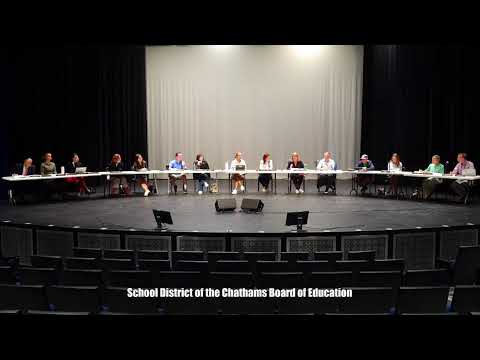
Students urge district to preserve ISL option; board cites state standards and safety checks
Summary
Members of the public urged the board to retain the district's Individualized Student Learning option so students can meet graduation requirements while pursuing high-level athletic and artistic commitments.
Members of the public returned to the School District of the Chathams board meeting to press the board to preserve the district's Individualized Student Learning (ISL) option, also described as “Option 2,” which allows students to meet graduation requirements through individualized, out-of-school learning experiences.
Two students described how ISL enabled them to balance intense training schedules with academics. “I dance a minimum of 3 hours a day, 7 days a week during the school year, and I'm going to take 2 APs and 2 honors classes next year,” said Emily Smith, who spoke in the public comment period. She told the board she would “benefit from the ISL program” and proposed measures such as background checks to address administration concerns. Sofia Smith, a senior, said ISL helped her complete the Girl Scout Gold Award and finish college application essays, and credited the program for allowing her to retain electives and academic opportunities while training.
Board members and administrators acknowledged the benefits students described but said the district must make sure any ISL offerings meet state requirements and include appropriate safety and oversight. “It's simply that these private programs are not designed to meet the state standards,” one board member said, adding that background checks and ongoing monitoring would be necessary. The board referenced NJAC 6A, Section 8 — the state regulation the speakers cited — as the authority that permits districts to approve individualized learning opportunities. A district representative explained that NJAC 6A Section 8 allows boards to establish alternative paths to satisfy graduation requirements, and that the ISL program began with that framework.
Administrators said they do not want to dismiss the program and pledged to continue the conversation with families and stakeholders. Staff noted practical concerns the board must resolve: establishing and documenting that out-of-school experiences meet New Jersey Student Learning Standards, ensuring continuous background checks or vetting of third-party providers, and setting meaningful monitoring and review processes. The board emphasized that some students have had strongly positive experiences in ISL while others have raised safety or standards concerns, and that policy adjustments must address both kinds of reports.
The public speakers recommended the board study the “Option 2” implementations in nearby districts and consider formal revisions so dance and other private athletic activities can count toward required credits when properly documented. Board members said staff would follow up and provide more information about the legal and procedural steps required to expand or formalize ISL.
The discussion closed with a commitment to continue exploring how ISL can be preserved or restructured to meet state standards and safety requirements while serving students who require flexible schedules.