Get Full Government Meeting Transcripts, Videos, & Alerts Forever!
Get email alerts on the Wildfire Biomass Biochar topic
No spam. Unsubscribe anytime.
Nevada County, Earth Foundries describe pilot using carbonizer to turn hazardous biomass into biochar
Summary
Nevada County staff and representatives from Earth Foundries described a pilot that collects unmerchantable roadside and forest biomass, processes it in a TigerCat carbonizer at about 700°C to produce biochar, and aims to remove hazardous fuel from more than 8,000 acres planned for fuel reduction.
Nevada County Office of Emergency Services staff and representatives of Earth Foundries outlined a pilot program to collect hazardous vegetation from local fuel-reduction projects and convert it to biochar using a mobile carbonizer.
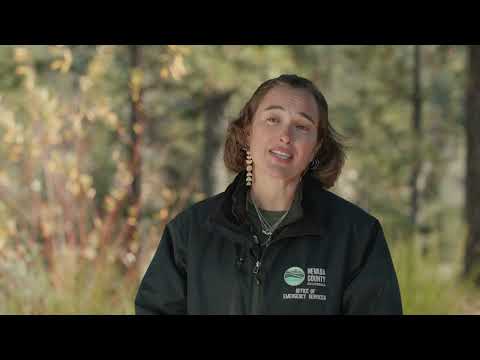
"Removing large hazardous vegetation is often financially and physically challenging to many of our community members. Nevada County Office of Emergency Services has found a convenient, cost effective way to collect and mitigate the hazard while supporting our local economy and creating a sustainable ecosystem," said a Nevada County Office of Emergency Services staff member during the presentation.
An Earth Foundries representative said the company was founded "to end catastrophic wildfire in California" and described the technical approach. "We receive unmerchantable logs from the community. We place them into the TigerCat Carbonizer. It's operating at about 700 degrees centigrade. And through the process of pyrolysis, it reduces that material to biochar," the representative said.
Ricky Martinez, listed in the meeting transcript as a speaker, identified himself as staff working on the county biomass effort and described outreach and collection work: "Our role in the biomass project is to go into the community, identify biomass that needs to be addressed and brought to the carbonizer. My staff and I have been working really hard in making community contact, identifying debris, and key evacuation routes." The transcript does not specify Martinez's formal title beyond his role in the project.
County presenters said Nevada County currently has "more than 8,000 acres that are actually in the planning phases for this type of work." They described the options for handling cut vegetation—chipping and leaving material on site, or removing it for processing into biochar—saying that removal and conversion "remove[s] that hazard from the landscape completely." The presenters cited a local example, the Woodpecker Ravine shaded fuel break project, referenced in the transcript with an unclear size notation (stated as "4 10 acre"). The transcript does not clarify the intended acreage for that project.
The presentation framed the pilot as serving dual goals: reducing wildfire fuels and producing a value-added product that could support the local economy and ecosystem resiliency. The meeting materials and speakers pointed attendees to readynevadacounty.org/biomasspilotproject for more information.
No formal motions, votes, ordinances, or funding decisions were recorded in the transcript excerpt provided. The remarks in the transcript were presented as a project briefing and description of ongoing outreach and planning.