
Organizers submit hundreds of thousands of signatures to force union referendum; verification process underway
Get AI-powered insights, summaries, and transcripts
Subscribe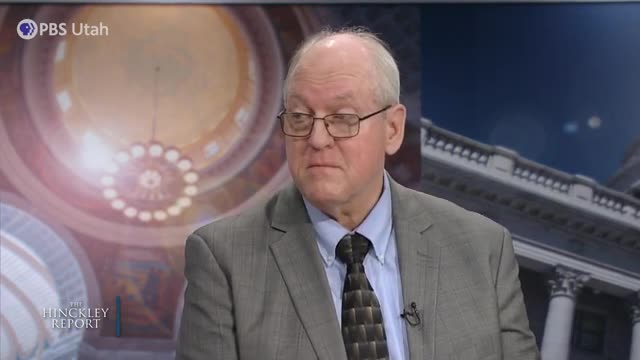
Summary
Organizers seeking to put a public-employee collective-bargaining referendum on the ballot reported more than 320,000 signatures gathered; state officials must verify district-by-district thresholds before the measure can appear before voters.
Supporters of a referendum to challenge recent legislation limiting public-employee collective bargaining reported gathering well over the required number of signatures to qualify for ballot verification, and the signature-verification process is now proceeding in the state.
On the Hinckley Report, Senator Mike McKell congratulated petition circulators and said he observed signature gathering in at least one location. "I think the estimate I heard is the signature amount is actually even higher, closer to 340,000 signatures," McKell said. "I think they're going to be successful in the end," he added, while noting the referendum process is a constitutional check on the legislature.
Representative Jennifer Dailey-Provost, who said she personally gathered signatures and is a union member, described the collection as intensive and said the required pre-signature disclaimers and signature-removal notices resulted in more informed signers. "It made people signing these, signature packets more engaged, more informed about the process," she said.
Panelists outlined the procedural requirements: the referendum process requires verified signatures distributed across senate districts; as of the broadcast panelists said signatures had been verified in multiple senate districts (panelists stated sufficient signatures in 11 of 29 senate districts at the time of the show). Senator McKell and others said it would be difficult to prevent the measure from appearing on the ballot given the size of the petition totals, but they cautioned that the verification process and possible legal or legislative responses could affect the final outcome.
Polling cited on the program showed divided public opinion. A Hinckley Institute/Deseret News poll mentioned on air found 38 percent of respondents opposed the bill, 34 percent supported it and the rest were undecided; panelists said on-air that polling and ballot outcomes can diverge, and that some people sign petitions in public settings but vote differently in private.
Panelists discussed the political implications. Senator McKell said the referendum process is a constitutional check and praised the signature gatherers; Representative Dailey-Provost said she expects organized efforts to try to remove names from petitions but that petition signers were largely informed. Panelists also discussed how the referendum could factor into future campaigns and turnout dynamics.
The panel did not report a formal outcome of the verification process; state election officials will publicly verify signatures and determine whether statutory or constitutional thresholds have been met before the measure can be placed on the ballot.