Get Full Government Meeting Transcripts, Videos, & Alerts Forever!
Get email alerts on the Master Plan Implementation topic
No spam. Unsubscribe anytime.
Stakeholders and self-advocates urge substantive plan for implementing DDS master plan's 167 recommendations
Summary
The master plan for developmental services, completed after months of community engagement, contains 167 recommendations; self-advocates and stakeholders told the subcommittee they want a formal implementation roadmap and a participatory steering committee rather than only twice-yearly updates.
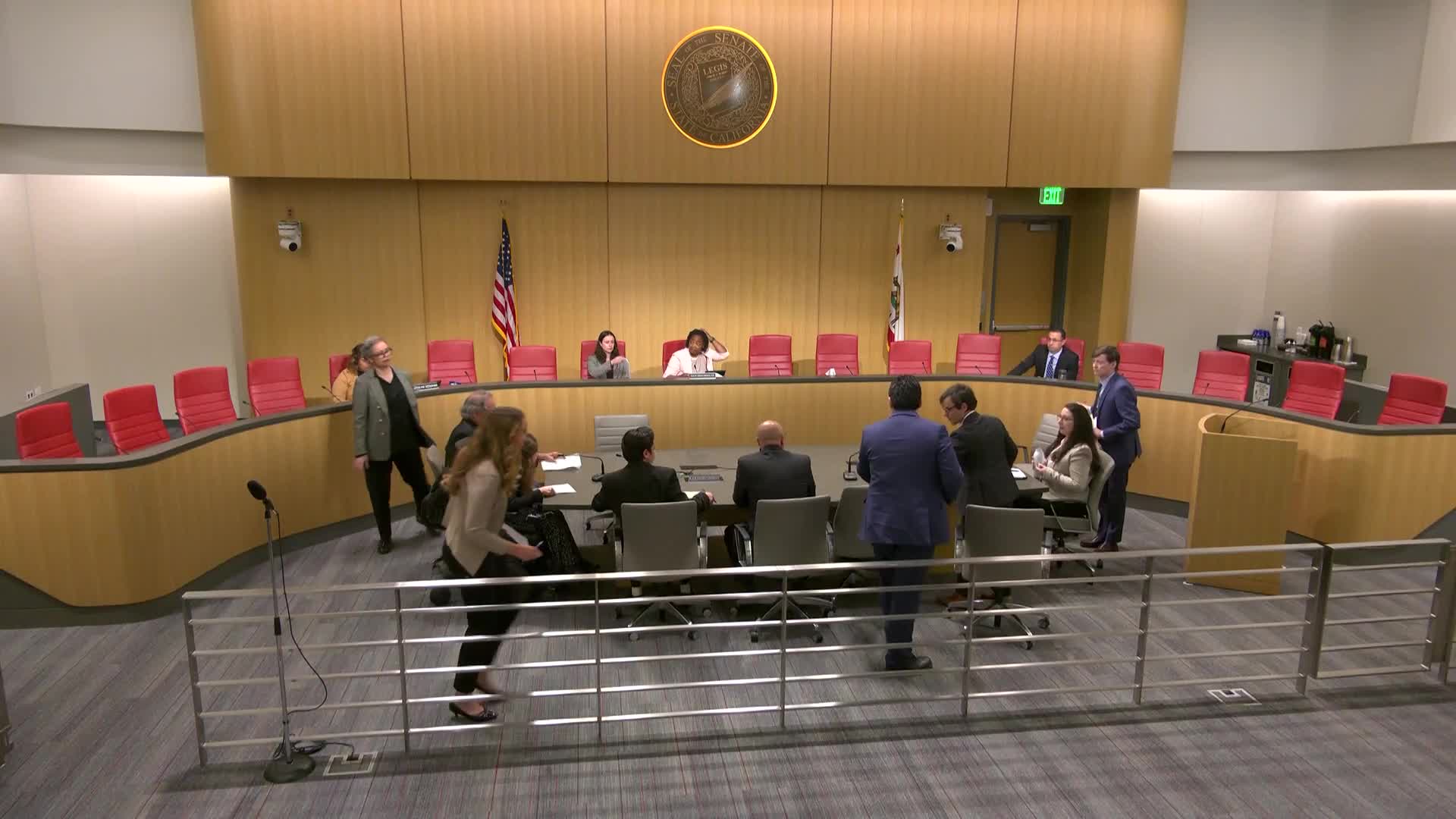
Department of Developmental Services Director Pete Chervinko and members of the master plan steering committee presented the master plan for developmental services to the subcommittee and described next steps for implementation.
Chervinko said the master plan reflects a year of committee work, five work groups, and more than 45 community engagement sessions that resulted in 167 recommendations across housing, transportation, education and services. He said the department will provide an annual report to the legislature each March beginning in March 2026 and that the department has committed to meeting with the full committee twice a year to discuss implementation and progress.
Self-advocates and committee co-chairs pressed for a more active, accountable implementation structure. Sasha Bittner, co-chair of the workforce work group, said disabled committee members must be prioritized in leadership roles and warned that self-advocates felt pressured by some family advocates during the process. Oscar Mercado, a self-advocate and co-chair, urged formation of a steering committee to guide implementation and prevent the plan from becoming a document that "sits on top of a shelf, collecting dust." He said twice-yearly check-ins are insufficient and called for more regular, collaborative oversight.
LAO and implementation details
Corina Hendren of the LAO told the committee the administration should translate the plan into an actionable roadmap that clarifies which recommendations the administration will prioritize, which overlap existing efforts, and which are constrained by current law or require budget action. The LAO recommended CHHS and DDS outline a high-level vision that maps master-plan recommendations to existing initiatives and identifies resource implications, especially in light of projected budget deficits.
Panel members from advocacy groups and regional-center associations echoed the call for a partnership-based implementation approach with strong self-advocate and family participation, clear metrics and funding structures aligned with goals.
Ending
Multiple witnesses asked the legislature to consider creating a steering or implementation committee that includes self-advocates to shape priorities, timelines, costs and measures of success. Chervinko said the department is already pursuing many items—language access, standardized IPP processes, provider directory work—but that the administration cannot fully commit to implementing all 167 recommendations without prioritization and resource decisions.