Get Full Government Meeting Transcripts, Videos, & Alerts Forever!
Get email alerts on the Psychedelic Research topic
No spam. Unsubscribe anytime.
Senate weighs restricted psilocybin pilot for veterans and first responders; supporters call it lifesaving, opponents urge caution
Summary
SB 751 would create a five‑year, five‑county pilot, overseen by University of California researchers, to study psilocybin‑assisted treatment for veterans and inactive first responders. Supporters urged measured access and strict safeguards; opponents raised federal legal and safety concerns and asked for detailed oversight requirements.
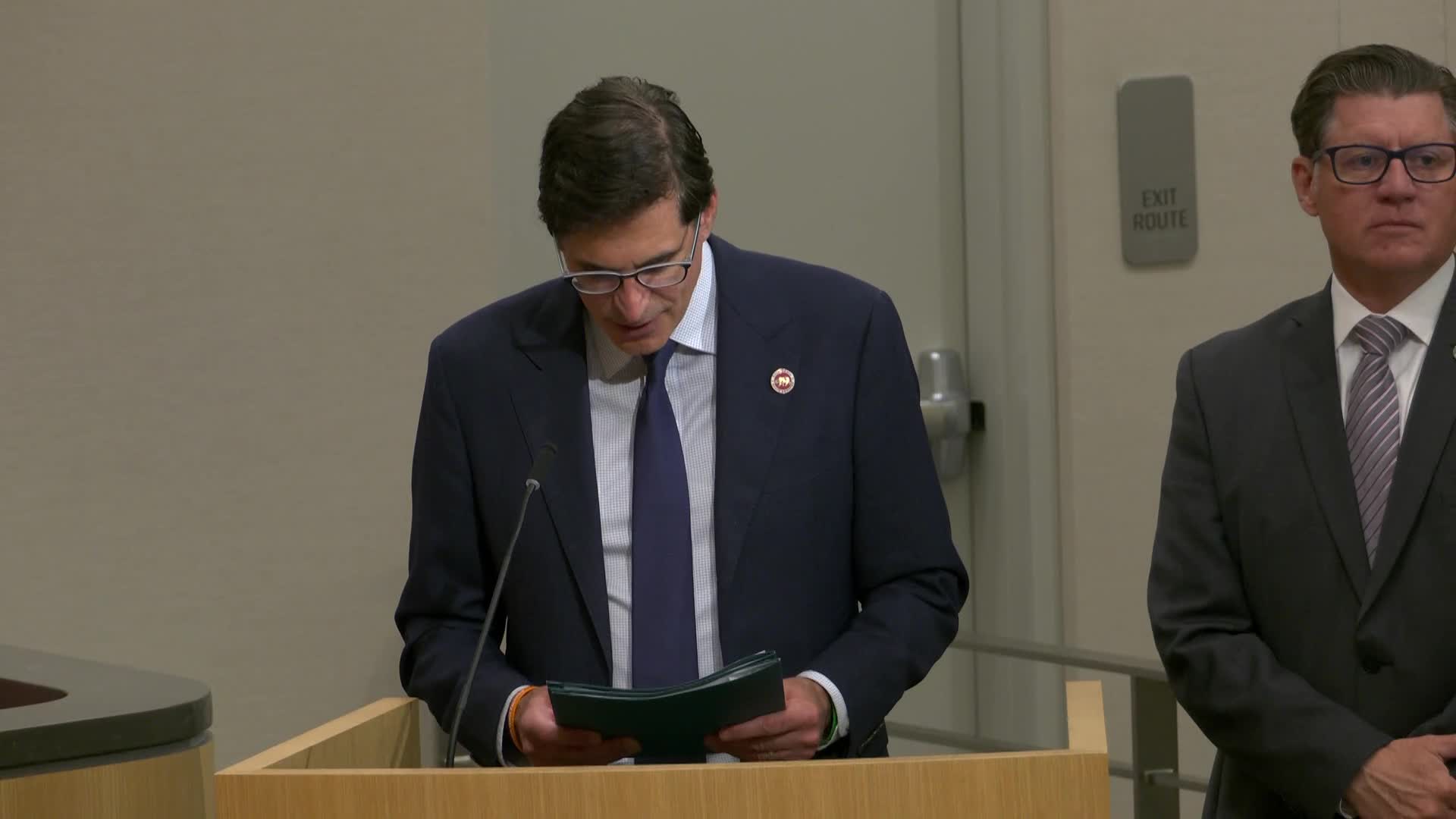
Senate Bill 751, a proposal to authorize a limited five‑year pilot to study psilocybin‑assisted treatment for veterans and inactive first responders, drew emotional testimony from veterans, first responders and advocates and sharp questions from some law‑enforcement and faith‑based opponents.
Coauthors introduced the bill as a response to persistently high suicide rates among veterans and first responders and the emergence of research suggesting potential benefits of psychedelic‑assisted therapy for treatment‑resistant post‑traumatic stress disorder. The pilot would authorize up to five counties to operate regulated programs in clinical settings under University of California oversight, include training requirements for clinicians and exclude pregnant and nursing women, the authors said.
Veteran witnesses described overseas experiences with unregulated treatments and said the pilot would give veterans safe, researched access in clinical settings. “If we save one life … isn’t it worth exploring?” a veteran witness asked. Supporters included nonprofit providers, veteran groups and researchers who urged tightly controlled trials and a robust reporting requirement.
Opponents included the California Family Council and narcotics‑officer associations that said psilocybin is a Schedule I substance, warned against experimental use without full federal approvals, and argued the bill lacked specific eligibility criteria and oversight detail. The committee chair and other members said amendments added guardrails, clarified that UC institutions would oversee research, and limited participation to specified clinical settings with trained providers and reporting requirements.
Members expressed bipartisan sympathy for veterans and first responders, noted this was the third iteration of similar legislation, and emphasized the need for clear protections and rigorous safety monitoring. The committee did not take a final roll‑call vote; sponsors asked for an aye vote when quorum is available and said they would finalize guardrails before further action.