Get Full Government Meeting Transcripts, Videos, & Alerts Forever!
Get email alerts on the Employee Benefits topic
No spam. Unsubscribe anytime.
Committee tables parental paid‑leave request after HR provides four‑year FMLA cost summary; staff to return with vendor pricing and cost estimates
Summary
City HR staff presented a four‑year summary of Family and Medical Leave Act use and costs; the committee asked for vendor quotes, a soft‑cost estimate of two‑week paid parental leave, and a written summary. The item was tabled for follow‑up.
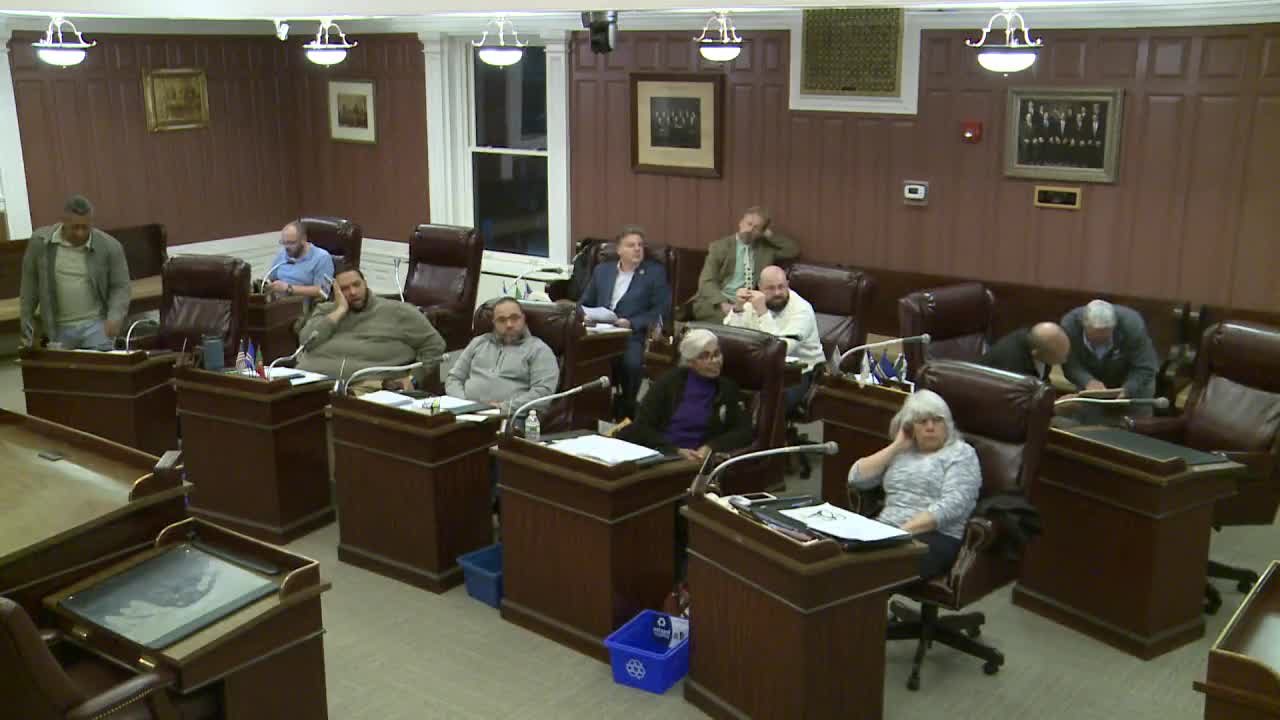
The Committee on Ordinances heard a staff presentation and tabled a request to explore a city paternal/parental paid‑leave policy after human resources staff summarized four years of FMLA use and the committee asked for cost estimates.
José Gouveia, presenting to the committee, said he reviewed FMLA usage from 2021 through 2024 to establish factual context. He reported the city paid roughly $1.1 million over that four‑year span for cases in which employees used accrued sick, vacation or PTO while on FMLA. Gouveia said the average FMLA case involved between roughly six and ten weeks of leave and that birth‑of‑child claims represented about 26 percent of FMLA cases; employee illness accounted for about 49 percent and family‑member illness about 18 percent.
Gouveia said the city already offers short‑term and long‑term disability programs (through Trustmark) and that the staff is seeking quotes from additional vendors to evaluate voluntary benefit designs that might cover parental leave. He told the committee he had provided anonymized workforce data (age bands, salary bands and gender) to vendors and expected proposals within about two weeks.
Councilors discussed scope and cost. Committee members noted Boston and other municipalities have more generous city leave programs and said even a modest two‑week paid parental leave could aid recruitment and retention. Finance staff member “Bob” (no title given in the record) explained that additional leave creates indirect costs for departments that must backfill shifts — for example, firefighters and police — and that those costs typically appear as overtime in department budgets rather than as a separate direct salary line item.
Action and next steps: the committee voted to table the item (motion to table made by Councilor Ian Abreu; seconded by Councilor Naomi Carney; passed). Staff were directed to provide the committee with the HR analysis Gouveia presented via email to the clerk for distribution, vendor proposals the HR director is soliciting, and a rough (“soft”) cost estimate of a two‑week paid parental leave using the HR data. Finance staff agreed to produce an estimate of likely overtime/coverage costs for affected departments.
The committee asked to receive the materials in advance of the next meeting so councilors can review and prepare questions. Gouveia said vendors asked about two weeks to return quotes; HR and finance staff committed to deliver the requested analyses.