Get Full Government Meeting Transcripts, Videos, & Alerts Forever!
Get email alerts on the Environment Pesticides Bees topic
No spam. Unsubscribe anytime.
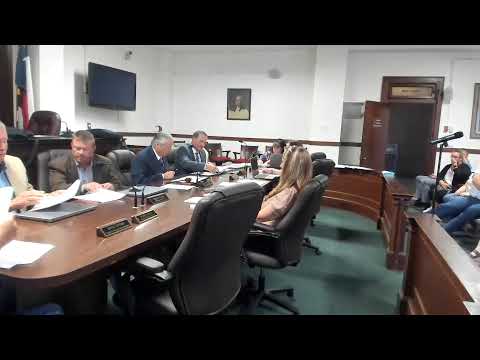
Limestone County residents press commissioners to delay roadside herbicide spraying after reported bee losses
Summary
Residents and beekeepers urged Limestone County elected officials to pause proposed roadside herbicide spraying and reconsider a countywide weed-control plan, saying recent applications coincided with heavy honeybee losses and could harm water and livestock.
Residents and beekeepers urged Limestone County elected officials to pause proposed roadside herbicide spraying and reconsider a countywide weed-control plan, saying recent applications coincided with heavy honeybee losses and could harm water and livestock.
At a public comment session, a resident who keeps commercial hives described losing colonies after a utility sprayed near her apiaries and said the losses matched areas near the spray. "If y'all spray these county roads with poison, there may not be a recovery next year," she said, adding she had to re-create colonies in other counties to replace losses. David Hamilton, a Limestone County resident, told the court that herbicide runoff from sprayed bar ditches drains into creeks and stock tanks and could affect residents' livestock and fishing areas. "Those creeks feed your livestock tanks," Hamilton said. Tyre Barden, another local beekeeper, said bees can carry sprayed chemicals back to the hive, contaminating pollen and honey.
Why it matters: speakers said the sprays could reduce pollinators that support local agriculture and damage riparian vegetation that prevents erosion, and they raised public-health and economic concerns about chemical residues entering water and food supplies.
County officials did not adopt a spraying program at the meeting. Commissioners said the county has put out a bid package to estimate the cost of spraying county roads; the results are expected after the bid closing and a later meeting. One commissioner said the program was not included in this year's budget and that a formal decision, including whether to amend the budget, would be considered in a future meeting. "No action is being taken today," a commissioner said during the meeting.
Speakers pressed several technical points. The resident beekeeper cited research alleging that glyphosate and certain surfactants can impair bees' gut microbiomes and learning, and that residues have been found in honey; she also cited litigation and a World Health Organization-related agency classification in arguing for caution. Another commissioner said Johnson grass is a chief road-maintenance complaint in rural precincts and described the trade-offs between targeted vegetation control and the county's manpower and budget constraints. A county official said the county will sample a set of roads (the plan described as multiple five-mile samples totaling 80 miles in the sampling phase) to estimate cost; commissioners said bid results would be available on the 19th and that a potential full program would require funding changes if pursued.
The meeting record included discussion of private-property responsibilities; several commissioners encouraged landowners to maintain roadside vegetation adjacent to their property where local easements permit. Commissioners also said some roads and intersections might be prioritized for safety reasons if any program proceeds.
No formal ordinance, regulation or contract was adopted during the meeting. Commissioners directed staff to proceed with the bidding/sampling process and to return to the court with costs and a recommendation for funding at a later date.
The public comment and discussion included references to Navasota Valley Electric as the utility whose spraying led to the complaints, and to outreach a commissioner said was made to an agriculture extension contact at Texas A&M. Speakers asked the court to consider restrictions on timing, product choice and location of spraying to protect bees, livestock and waterways.
Looking ahead: commissioners said they will review the bid results and consider the matter during the budget cycle or in a subsequent meeting; no formal decision was made at this session.