Mayor Nichols says homelessness, children's services and 911 reforms are top priorities as funding threats loom
Loading...
Summary
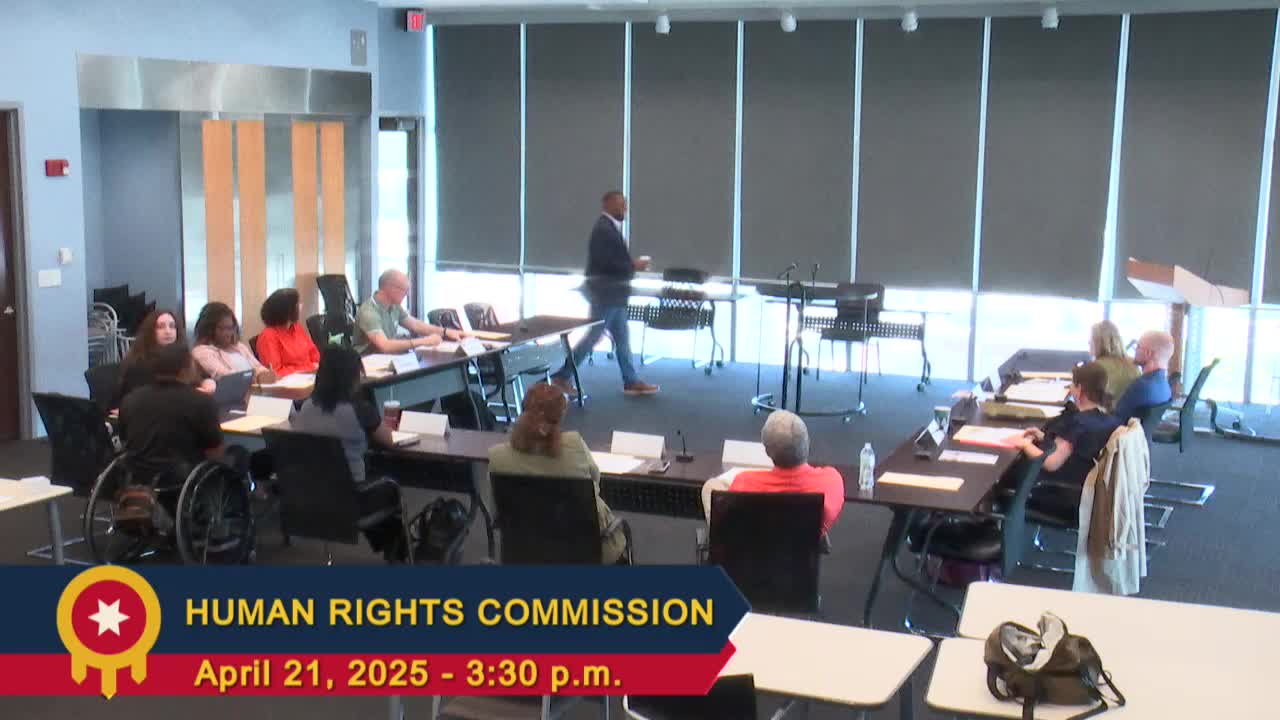
At a Tulsa Human Rights Commission meeting, Mayor Monroe Nichols outlined city priorities including a plan to reach "functional 0" homelessness by 2030, warned that cuts to mental-health funding would harm that effort, described 911 diversion work and gave updates on tribal-case referrals.
Monroe Nichols, mayor of Tulsa, told the Human Rights Commission that the city is pursuing an aggressive strategy to reduce unsheltered homelessness and improve supports for families and children, but warned that proposed cuts to mental-health funding would "directly and severely" undercut those efforts.
Nichols said the city is targeting "functional 0 by 2030" for homelessness and is moving to increase shelter capacity, including purchases of property and use of modular units. "If we get to a place where we can finally account for places to go, but we have no services to go along with it, it does us absolutely no good," Nichols said, stressing the need for both beds and accompanying services.
The mayor described three immediate shelter priorities: a low-barrier shelter, a winter-weather shelter and an aggressive but "compassionate" program to decommission camps while transitioning people into services. Nichols said those efforts depend on continued mental-health funding and said he and city staff were communicating with state legislators about the local impacts.
On public-safety and emergency response, Nichols described changes to Tulsa's 911 system that route some calls to clinicians for diversion from law-enforcement responses. "In March alone ... there were over 650 folks who were diverted from a law enforcement interaction and diverted toward mental-health supports," he said, adding that clinicians are listening to 911 calls around the clock to guide those decisions.
Nichols also highlighted a city initiative to offer vouchers for low-cost spay-and-neuter services after citations for failure to sterilize animals, saying the program includes partnerships to provide weekend clinics.
On child and family issues, Nichols said the city created an Office of Children, Youth and Families and is convening a children's cabinet to align city, school and philanthropic efforts. He told the commission that 4,400 children in Tulsa Public Schools had records of eviction in the past three years, and he linked housing instability to poorer student outcomes. (The eviction figure and related percentages were reported by Nichols during his remarks.)
Nichols discussed tribal-jurisdiction questions raised by the McGirt-era rulings and described the handling of a high-profile case involving an individual named Nick O'Brien: the city dismissed the criminal case and referred it to Creek Nation court, and Nichols said the city has since dismissed and referred "over a hundred other cases" to Creek or Cherokee Nation courts while negotiating a settlement framework with the Creek Nation.
Nichols closed by asking the commission to keep communicating problems and needs to city Hall and offering the mayor's office as a partner. "Don't sit on information," he said. "There's a ton of things that we will miss if nobody tells us."