Get Full Government Meeting Transcripts, Videos, & Alerts Forever!
Get email alerts on the Healthcare Access topic
No spam. Unsubscribe anytime.
Colorado Senate adopts bill to codify emergency-room protections mirroring federal EMTALA
Summary
The Senate passed Senate Bill 130 to add state law requirements for emergency medical screening, treatment and transfer protocols, aligning with long-standing federal EMTALA protections. Sponsors said the measure preserves access to emergency care; opponents warned it could burden rural hospitals and providers.
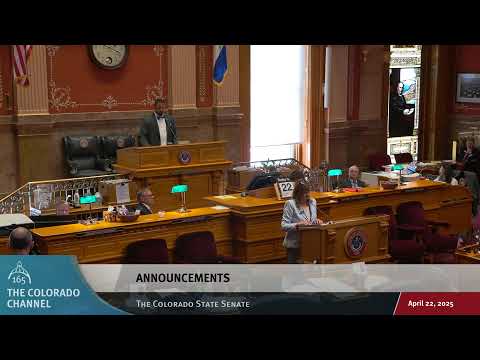
The Colorado Senate on April 22 passed Senate Bill 130, a measure that places into state law requirements for emergency medical screening, stabilization, transfer and discharge that sponsors said mirror federal protections under EMTALA.
Senator Janet Weisman, the bill sponsor, told the chamber the law’s core principle is simple: treat first, then address payment. "Treat first. First do no harm," Weisman said during debate, describing provisions that bar hospitals from delaying required emergency medical services to inquire about a patient’s ability to pay.
The bill creates a new section in Title 25 to set threshold duties for regulated health-care facilities, requires recordkeeping and non‑discrimination statements, protects providers who refuse unsafe transfers, and spells out procedures for appropriate transfers and discharges. The measure also includes enforcement language tied to a licensing-related cash fund and definitions for the statute.
Members of the Judiciary and Appropriations committees described a multi-amendment, strike-below process used to conform the draft to both federal standards and stakeholder concerns. Weisman said the changes reflect extensive negotiations to avoid conflicting interpretations of decades of federal guidance and to make the state law operable.
Opponents and skeptical members focused on operational and financial impacts. Senator Frizzell urged caution, saying the bill could add costly obligations on hospitals and providers. "We are adding yet another brick to their back," Frizzell said, noting concerns about penalties and compliance burdens.
Several senators representing rural districts, including Senators Lundin and Catlin, said local hospitals operate on thin margins and that substantial penalties or new compliance obligations could contribute to closures. Senator Catlin described hospitals in his district operating “so very close to the edge” and warned that new fines could imperil those facilities.
Senator Gonzales and other supporters responded that the bill protects patients whose access to emergency care could be endangered if federal enforcement weakens. Gonzales cited recent federal decisions and public expectations that emergency departments provide screening and stabilization regardless of payment status.
The statute also cross-references the Colorado Anti-Discrimination Act (CADA) for nondiscrimination provisions and defines provider protections and liability limits for facilities that comply with the new state requirements.
SB130 was adopted by the Senate after floor debate. The Senate record shows the motion to repass and the final adoption; a roll-call tally for the final third-reading vote is not specified in the floor transcript.
Why it matters: Sponsors said the bill aims to lock in protections if federal enforcement of EMTALA weakens, preserving a decades-old standard that emergency rooms provide screening and stabilization. Opponents warned the measure may increase regulatory burdens and financial risk for hospitals, especially in rural areas.
Votes at a glance: Senate Bill 130 — outcome: adopted (final tally not specified in transcript).
What’s next: The bill will proceed to the enrollment/engrossment steps as the Legislature completes its session and to any subsequent steps required before becoming law.