Get Full Government Meeting Transcripts, Videos, & Alerts Forever!
Get email alerts on the Immigration Public Benefits topic
No spam. Unsubscribe anytime.
Podcast commenters debate undocumented immigrants’ access to public-assistance programs
Summary
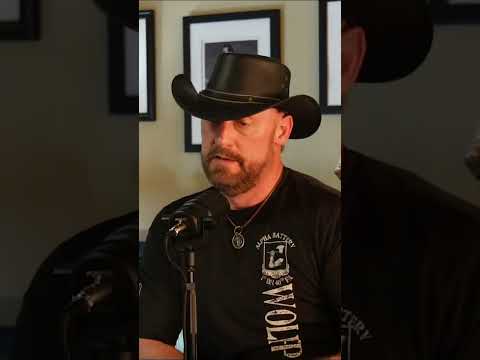
On a recent episode of the God and Country Podcast, two speakers discussed whether some undocumented immigrants should be allowed to stay in the U.S. and alleged that consultants teach people how to enroll in public-assistance programs such as Medicaid, SNAP and WIC.
Commenter 1, a commenter on the God and Country Podcast, said some undocumented immigrants “should be allowed to stay,” acknowledging the statement could draw criticism.
Commenter 2, a commenter on the same episode, said responsibility for migration rests with voters and elected officials and raised concerns about the effect of program use on costs to society. “In my philosophy, it's our fault. I mean, we we allowed that to happen for the past 20, 30 years,” Commenter 2 said. He added that people have become “consultants” who allegedly teach others “how you get on Medicaid, this is how you get food stamps, this is how you get on WIC.”
The speakers characterized those claims as based on their personal connections and experience; neither cited publicly verifiable data or named organizations to support the allegations. The comments combined a policy argument that some people now in the country should be allowed to remain with unverified assertions about third-party actors who help people enroll in public-assistance programs.
The remarks were made in a podcast segment and do not represent an official government proceeding or an action by a public agency. No formal motions, votes, or policy proposals were recorded in the transcript excerpt provided.
The discussion used the word “illegals” in quoted remarks; the article uses the term “undocumented immigrants” except when reproducing speakers’ exact words.
The podcast references several assistance programs by name: Medicaid, SNAP (commonly called food stamps), and WIC. The speakers did not give dollar amounts, counts, or citations to statutes or agency rules during the excerpt.
Because the statements about paid consultants and program misuse were presented as personal observations without cited evidence, they remain allegations in the record of the podcast segment.