Get Full Government Meeting Transcripts, Videos, & Alerts Forever!
Get email alerts on the Regional Planning topic
No spam. Unsubscribe anytime.
SACOG director presents 25‑year 'Blueprint' and grant timeline to Lincoln council
Summary
James Corliss, executive director of the Sacramento Area Council of Governments, described the 2025 regional transportation and land‑use 'Blueprint' covering six counties and 22 cities, previewed a May draft release and fall adoption schedule, and highlighted grant opportunities tying Lincoln Boulevard into a larger corridor funding request.
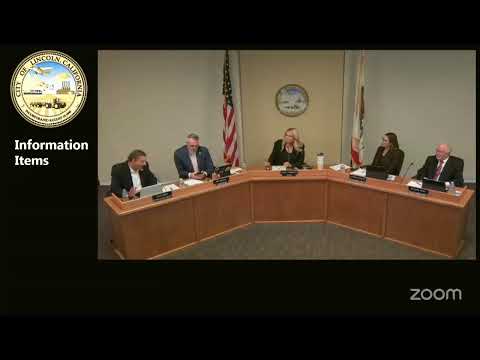
James Corliss, executive director of the Sacramento Area Council of Governments (SACOG), briefed the Lincoln City Council on SACOG’s 2025 long‑range transportation and land‑use plan, the “Blueprint,” which covers six counties and 22 cities and looks 25 years ahead.
“You wouldn't build a house without a blueprint,” Corliss told the council, using the planning metaphor to describe the regionwide effort to knit local general plans into a fiscally constrained, grant‑ready program. He said SACOG is grounding the plan in equity, economy and environment and completed expanded outreach including polls, focus groups in English and Spanish, and pop‑up events across the region.
Corliss described the forecast scenarios SACOG uses for long‑range planning and said the draft plan will be released in May for public comment during June and July, with a final plan and final environmental impact report (EIR) expected for board approval in November. He told the council that projects included in the Blueprint are important for competitiveness when SACOG seeks funding from the California Transportation Commission and federal grant programs.
On projects relevant to Lincoln, Corliss said the Lincoln Boulevard project is part of a Placer‑Sacramento Gateway grant application to the California Transportation Commission and that corridor‑level coordination across jurisdictions — for example along Interstate 80 and the Capitol Corridor rail line — increases grant competitiveness. He also highlighted a regional trails plan (“ReadySet trails”) that aims to connect thousands of miles of paved walking and biking trails across the six counties to improve safety and active transportation.
Council members asked how Lincoln can plug into the trails effort; Corliss recommended coordination with county agencies and the Placer County Transportation Planning Agency. A member of the public, Paul Voz, asked whether the presentation addressed a planned bridge expansion at 193 and Ferrari Ranch; Corliss said that project is largely a local or highway bridge‑program issue and deferred to local partners for specifics.
Corliss encouraged local staff and elected officials to look for opportunities in the draft plan for streamlining environmental review and for matching local land‑use proposals with regional grant priorities. He said SACOG is working closely with PCTPA and other regional partners to align projects and to advocate for corridor investments on the state and federal level.