
Governor warns Utah water supplies falling; urges conservation, points to county-level low precipitation
Get AI-powered insights, summaries, and transcripts
Subscribe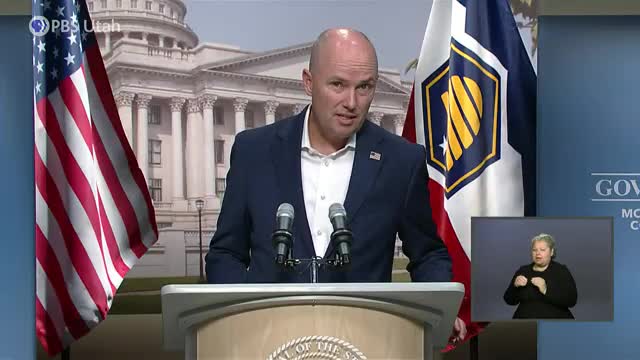
Summary
The governor said reservoir levels fell about 10% between June 1 and July 1, statewide storage is at about 77% of capacity and the entire state is in moderate to severe drought; he urged residents to reduce water use and pointed to county disparities.
The governor said Utah is experiencing increased water demand and falling reservoir levels and urged residents to conserve water.
He said reservoir levels declined roughly 10% between June 1 and July 1 and that statewide reservoirs are at about 77% of capacity — a figure the governor said is slightly above the long-term average for the time of year but about 12% below last year’s levels. He added that the entire state is experiencing moderate to severe drought conditions.
The governor noted that two winters of heavy snow previously helped build a “cushion” of water supplies that is now being drawn down and that parts of the state are drier than others; he referenced an example where a county (reported in the transcript as "Vox Elder") recorded a record low in precipitation. He urged residents to use incentives, discounts and county-specific weekly guidance available through the state’s water-conservation website to reduce outdoor water use.
He said the administration had issued a proclamation for a statewide day of prayer and fasting for rain late in June but stressed that the state is pairing faith with practical conservation measures, including rebates and educational tools on slowtheflow.org and the governor’s web guidance. He called on Utahns to take immediate action to save water, saying that every gallon saved matters.
Why it matters: Lower reservoir levels and statewide drought affect agriculture, firefighting capacity and municipal supplies. The governor linked water conservation to wildfire risk reduction and response capacity.
Details and context: the governor tied recent high snowfall followed by dry conditions to greater fuel loads for fires and higher water demand for firefighting. He urged people to stay out of active fire areas to let responders work and to take advantage of local conservation programs.