Perrysburg students, residents urge voters to approve levy as district outlines cuts
Loading...
Summary
High school students and residents told the Perrysburg Exempted Village School District board that levy failures have already reduced programming and that another loss would remove music, extracurriculars and transportation for many students. District leaders outlined declines in tax revenue and warned of deeper cuts if voters do not act.
Students and residents told the Perrysburg Exempted Village School District Board of Education on Oct. 7 that proposed levy cuts would wipe out music, extracurriculars, sports and student transportation, and urged the board and voters to prevent further reductions.
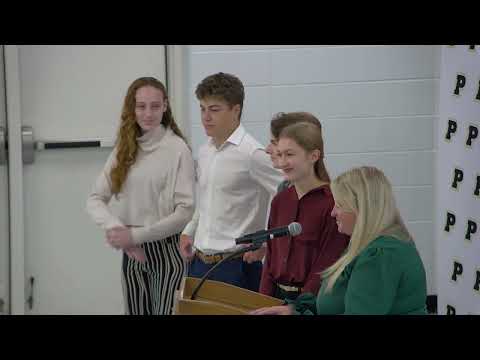
The comments came during a moved-up public comment period that included consecutive statements from Perrysburg High School students and a longtime resident. Sophomore Maddie Gankoski said further levy failure would delay the start of music for younger students to seventh grade and eliminate junior-high and high-school performances, musicals, marching band and contests. "Students will not even have the opportunity to start music until two years later," she said. Junior Maddie Flogger said a failed levy could cost her senior year traditions, trips and athletic opportunities and would reduce reading intervention and gifted-program supports she credited with helping her succeed.
The remarks drew a response from district leaders earlier in the meeting, who described the financial position created by last year’s failed levy and by state-level proposals under consideration. Treasurer Don Drewer told the board that real-estate tax collections fell from about $22,000,000 last year to about $16,500,000 this year, a decline driven by the levy outcome. He said general-fund “true cash days” had fallen from 166 to 148 and noted that revenues are seasonal and will be lower through January and February until the next settlement cycles.
Superintendent Dr. Chris Anstead and board members acknowledged the direct student impacts described in public comment. Board discussion and staff reports repeatedly emphasized that extracurriculars, early reading intervention, some gifted services and transportation are among programs vulnerable to further cuts. Resident Veronica Falter urged the board to resist what she called a "ploy" of fear-based levy messaging and called instead for fiscal accountability; other speakers and trustees framed the conversation as a weighing of program priorities against limited resources.
District leaders also flagged a separate statewide legislative risk. Drewer and Anstead said House Bill 186, as then drafted, could be retroactive and impose a multi-year clawback of local revenue; the board estimated a potential multi-million-dollar hit (board discussion referenced a scenario in the order of $10,000,000 in cumulative impact) and said any retroactive reduction would materially worsen local choices about services.
Board members encouraged residents to attend finance-committee meetings and other public forums for detailed budget review. The board later approved the district’s September financial report in a roll-call vote and adopted the consent agenda (both actions are reported separately in the votes-at-a-glance article). The board did not take a final vote on any new tax measure during the meeting.
The board’s discussion and public comment underscore the local consequences of levy outcomes: administrators say some program restorations would require new local revenue or different state action, and trustees urged voters to weigh the proposed cuts when the levy measure appears on the ballot.