Get Full Government Meeting Transcripts, Videos, & Alerts Forever!
Get email alerts on the Housing Homelessness topic
No spam. Unsubscribe anytime.
No public comments at Hennepin County hearing on draft 2024 CAPER; written comments accepted through Sept. 25
Summary
The board opened and closed a public hearing on the draft 2024 Consolidated Annual Performance and Evaluation Report (CAPER) for the Hennepin County Consortium; no in-person or phone comments were received. Staff said the draft CAPER reports on use of CDBG, HOME and ESG funds and that written comments are accepted through Sept. 25.
Hennepin County staff presented the draft 2024 Consolidated Annual Performance and Evaluation Report (CAPER) for the Hennepin County Consortium during a public hearing. Julia Welly Ayers of Housing and Economic Development said the CAPER covers three federal programs—the Community Development Block Grant (CDBG), the HOME Investment Partnerships program (HOME), and the Emergency Solutions Grant (ESG)—and that the 2024 program year was the final year of the county’s five-year consolidated plan. Staff reported the consortium met or exceeded several five-year goals, including tenant-based rental assistance for human services clients, home repairs for low-income homeowners, and emergency safety-net services such as tenant advocacy.
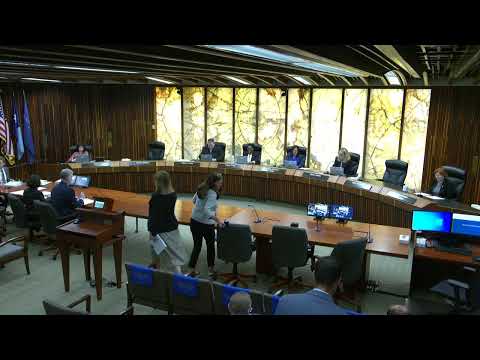
The board opened the public hearing and invited callers and in-person attendees to comment; staff reported there were no phone callers and no in-person speakers. Commissioners closed the hearing and staff said written comments on the draft CAPER would be accepted through Sept. 25 and will be posted on the county website (transcript provided a web address). The final CAPER will include submitted comments and be filed at the end of the month.
Why it matters: The CAPER documents federal funds used for housing, affordable housing production and emergency services; local stakeholders often use the draft CAPER and comment period to influence final program priorities and funding allocations.