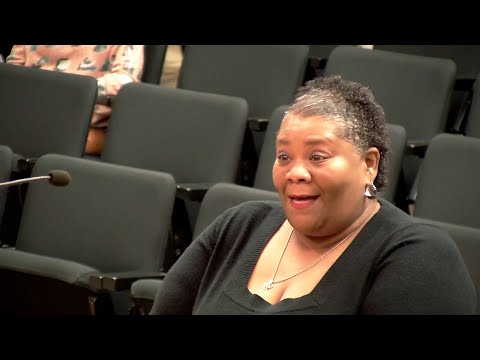
Clergy and residents urge support for Issue 9 and a phased Dayton public hospital
Loading...
Summary
Multiple public commenters called on commissioners to support Issue 9, a citizen initiative for a Dayton public hospital, arguing the loss of Good Samaritan Hospital disproportionately harmed communities of color and urging the city to back a phased facility with emergency and specialty services.
Speakers at the Dayton City Commission public-comment period urged support for Issue 9, a citizen-led initiative that would authorize a phased Dayton public hospital to serve underinsured and underserved residents.
Kathleen Galt, a member of the Clergy Community Coalition, told commissioners the 93-year-old Good Samaritan Hospital’s closure and demolition disadvantaged a predominantly Black neighborhood and said the coalition and petition signers want a phased facility that at minimum include “an emergency department that is at least a trauma level 2 center, an intensive care unit, pediatric emergency services, mental health programs and services, a diagnostic laboratory, an imaging center, an outpatient obstetrics clinic, a birthing center,” and other services. Galt said the initiative’s language allows phased construction and asked supporters to vote for Issue 9.
Charlene Bayless also urged voters to back Issue 9, saying a comparative financial study should have been done earlier and that voters should choose a Dayton public hospital as an option for care in the city.
Commissioners acknowledged the comments but did not take a formal vote on the initiative at the meeting. Commissioner remarks recognized residents’ concerns about local health access and encouraged engagement ahead of the vote.
Speakers framed their remarks as civic appeals to voters and urged broader public participation and attention to health-care access in Northwest Dayton.