Get Full Government Meeting Transcripts, Videos, & Alerts Forever!
Get email alerts on the Cooling Station topic
No spam. Unsubscribe anytime.
After public pleas, Gastonia council extends cooling-station operations to Sept. 12 amid debate over temperature, food and sleeping rules
Summary
Council voted to continue joint operation of the cooling station at 107 S. Broad through Sept. 12. Volunteers and residents urged changes — using heat index, allowing naps and providing packaged foods and electrolyte drinks. Council split 4–1 after extended discussion about whether county EMS or the National Weather Service should set metrics.
The Gastonia City Council voted Aug. 5 to continue joint operation of the city’s cooling station at 107 South Broad Street until Friday, Sept. 12, retaining the operating guidelines staff presented. The vote followed public comment from volunteers and service providers urging broader services and from council members who said the city should rely on medical expertise when deciding whether to open.
Volunteer testimony and recommendations
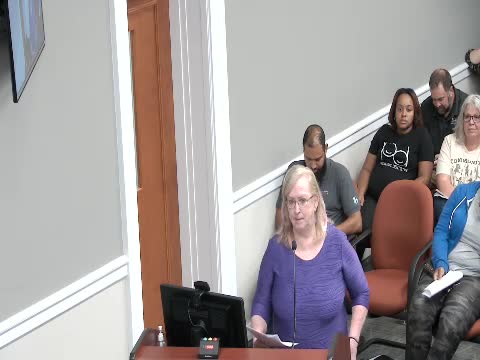
Volunteers who staffed the facility described how many people used the cooling station and suggested changes. Sally Hendrick, a volunteer, said the interior site typically hosted 28–30 people and asked that volunteers be allowed to let guests lie down and sleep without a formal cot setup and to make packaged foods and electrolyte drinks (for example, Gatorade) available. Lee Whitlow, representing community volunteers, urged the council to use the heat index rather than only air temperature when deciding to open cooling centers.
Staff numbers and costs presented
City manager Michael Peoples reported operational figures to council: the cooling station has operated 16 days (9 indoor, 7 outdoor), serving 237 indoor participants across 81 hours, with an average of about 26 people indoors at a time. Staff logged about 382.5 hours working the operation, parks staff added 58 setup/cleanup hours, and volunteers donated about 128.5 hours. The city’s operating cost to date was reported at just over $14,000, not including employee benefits.
Medical guidance and which metric to use
A central point of debate was which guidance should determine opening: the county’s medical responders (Gaston County EMS and fire/health staff) or weather forecasts. Several council members, volunteers and service providers urged using medical expertise and the heat index (a “feels like” measure that combines temperature and humidity) rather than a raw temperature number. Council members asked staff to clarify who decides whether to open a site. The manager said the decision is communicated to staff 48 hours in advance based on National Weather Service projections; staff then coordinates volunteers and operations.
Council votes and next steps
After an extended discussion that included appeals to equity from Councilwoman Littlejohn and calls for procedural clarity from other members, the council voted to continue the cooling-station operations under the current guidelines through Sept. 12. That motion carried on a 4–1 vote. Several council members asked staff to revisit whether the city’s guideline should use heat-index thresholds, allow certain food and electrolyte distribution, and permit guests to lie down in the facility.
Ending: Council members and volunteers urged continued coordination with county health and emergency services and recommended that staff return with any adjustments to protocols before Sept. 12.