Get Full Government Meeting Transcripts, Videos, & Alerts Forever!
Get email alerts on the Hotel Tax topic
No spam. Unsubscribe anytime.
Midwest City council approves ordinance language to raise hotel-motel tax, schedules Nov. 18 special election
Summary
The Midwest City Council approved ordinance language to raise the hotel-motel (lodging) tax from 5% to 9.25% and passed related resolutions calling a Nov. 18, 2025 special municipal election; the proposal would dedicate 55% of new revenue to parks and recreation and 45% to economic development.
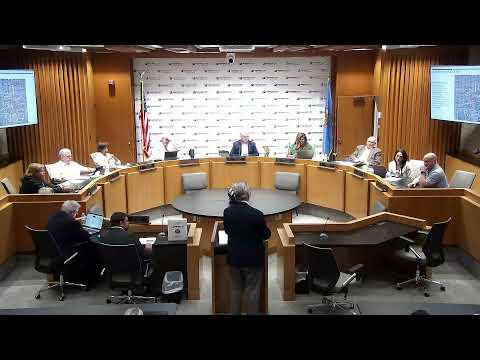
Midwest City — The Midwest City Council on Aug. 26 approved ordinance language to increase the city's hotel-motel tax from 5% to 9.25% and passed companion measures to place the question before voters in a special municipal election Nov. 18, 2025.
City staff told the council the current 5% levy produces about $670,000 annually and the proposed 9.25% rate is projected to raise roughly $1.2 million a year, an increase of about $530,000 if occupancy and other factors remain unchanged. Under the ordinance as drafted, 55% of the new tax revenue would be earmarked for parks and recreation (including projects identified in a forthcoming parks master plan) and 45% would go to economic development.
Why it matters: Council members debated timing and turnout for a special election, the cost of holding a standalone vote, and how quickly new revenue would begin flowing if voters approve the measure. Proponents said quicker approval would start revenue flowing sooner and help fund park projects; opponents urged moving the question to a higher-turnout election to maximize voter participation.
Council discussion focused on three practical points: (1) the added revenue and how soon it would be realized; (2) the estimated cost of a special election (about $22,000, according to staff); and (3) whether the city could instead place the question on a general municipal election to save the special-election cost and increase turnout. Staff said statutory limits and the county election calendar constrained available dates and that state law requires the council both to adopt a resolution calling the election and to issue a proclamation setting the date.
Councilman Thompson argued the sooner the election is held, the sooner the city collects added revenue. "For every month we delay the election, it's actually costing us $30,000," he said during debate. Council members also noted the hotel-motel tax has not been amended at least since 1997, according to staff.
Votes and next steps: The council approved the ordinance language and then passed a separate resolution calling the special election and a proclamation setting the Nov. 18, 2025 date, all by roll-call votes. The tax increase, if approved by voters, would take effect 30 days after certification of the election results. The measure will appear on the November ballot as the ordinance language approved by the council.
What the ordinance does not decide: The council amended the municipal code language to remove references to the city-run welcome center (transferred to the state) and reallocate percentages accordingly. Council members noted the council retains authority to revisit the percentage split in future ordinance language, but any change to the tax rate itself would again require voter approval.
A cost/benefit argument animated the meeting: supporters said a prompt special election trades a modest election expense for months of increased revenue; opponents emphasized broader civic participation at larger elections.
Pending items: City staff said they will publicize the ballot question, work with neighborhood associations and the city's communications team to inform residents, and provide details on proof-of-residence exemptions for Midwest City residents who stay in local lodging.
Ending: If voters approve the measure, staff estimated roughly $1.2 million in annual lodging tax revenue at current activity levels, with an expected allocation of 55% to parks and recreation projects and 45% to economic development.