Get Full Government Meeting Transcripts, Videos, & Alerts Forever!
Get email alerts on the Regional Sewer District topic
No spam. Unsubscribe anytime.
Marshall County residents and officials press for pause, clarity on regional sewer district spending
Summary
Public commenters and council members pressed the county and the regional sewer board for clearer accounting and a pause in spending after residents and the county attorney raised questions about more than $1.1 million already spent and whether county taxpayers could be on the hook for bond debt.
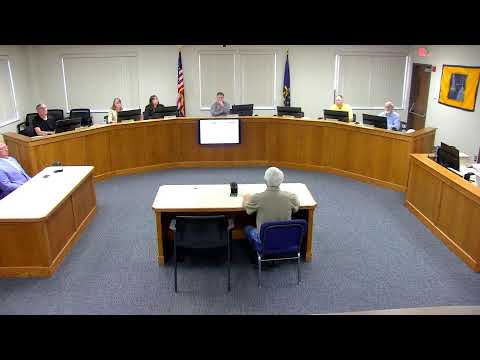
Marshall County Council members and residents spent the bulk of the public-comment portion of the Aug. 11 meeting focused on the Marshall County Regional Sewer District’s finances and on whether the county could ultimately be responsible for repaying bonds issued for the project.
Residents said the sewer district has spent roughly $1.15 million through May–June on consultants, attorneys and engineering without guarantees of grant funding, and urged the council and commissioners to halt further spending until the district demonstrates a funding path. The county attorney told the council a court has denied additional discovery sought by a plaintiff in the Tamarack litigation but that resolutions previously approved by both the council and the commissioners “lead me to believe that the county taxpayers are on the hook to back the bond that was issued,” pending review of the actual bond documents.
Why it matters: Residents said the district’s continuing spending risks creating large, unavoidable costs for homeowners and county taxpayers if grant money does not arrive and the district grows its debt. County leaders said they need the bond documents to determine legal exposure, and several council members called for a joint work session with the commissioners and the county health department to get shared facts and answer residents’ questions.
Residents’ accounts and figures Residents who addressed the council said they had canvassed neighborhoods in the project area and found widespread opposition; one presenter gave a year-to-date spending tally he compiled from invoices as $1,149,064.86 through May/June 2025 and that most costs reported by the district to date are consultant and attorney fees.
Examples cited by residents (figures given to the council): - Jones Petrie Ruffinski (JPR, engineering): $847,881.63 billed through May; the presenter said JPR’s contract figure listed on an invoice was $3,081,550 (status of that contract not specified in the record). - Baker Tilly (financial consultant): $113,993.23 billed through May. - District attorneys: about $148,000 billed through May.
Residents and several council members also cited publicly distributed project estimates that have varied over time. Early project materials referenced monthly sewer charges in a $70–$100 range; later financial materials discussed scenarios that could push monthly rates into the low hundreds. At the meeting council members and residents repeatedly echoed an estimate presented in district financial materials that without substantial grant support monthly charges could approach roughly $200–$225 per household; speakers also noted that hookup fees and required electrical work for pumps could add thousands of dollars to a homeowner’s cost.
County attorney’s summary and legal concern Marcel, county attorney, told the council a judge denied Tamarack’s request for additional discovery from the council; Marcel also reported he has reviewed resolutions passed by both the council and the commissioners that approved the regional sewer project and that, based on those resolutions, “it appears that the county taxpayers are on the hook to back the bond that was issued.” He said the county’s final exposure will be clear once counsel obtains and reviews the bond documents.
Council and commissioner responses; next steps Council members suggested and the meeting attendees tentatively scheduled a joint public work session with the commissioners and the county health department to review technical, legal and financial information and to allow public testimony. Commissioners signaled willingness to meet; a tentative date discussed at the meeting was Wednesday, Aug. 20, 2025, at 6 p.m., subject to scheduling confirmation.
Several council members urged the sewer district to pause discretionary spending until the district secures more certainty on grants and funding sources and until county and district officials can jointly review bond documents and underlying assumptions.
Residents asked the council and the health department to consider alternatives the sewer district did not emphasize, including newer on‑lot aerobic systems and other septic upgrades. Commenters said they had sought quotes for on‑lot alternatives and reported a broad range of installation and abandonment prices when discussing what homeowners might face if forced to connect to a sewer main.
What was not decided No formal council vote to change county policy or to rescind earlier resolutions took place at this meeting. Council members and the commissioners agreed to pursue a joint informational session; the county attorney said officials will press for the bond documents and follow up with the council once those documents are available.
Ending note Council members and commissioners acknowledged strong resident concern and said they will attempt to convene a public work session that includes the county health department and commission representation so the public can hear the full range of technical, financial and legal information together.