Get Full Government Meeting Transcripts, Videos, & Alerts Forever!
Get email alerts on the Finance Transparency topic
No spam. Unsubscribe anytime.
Board member presses district for clearer payment report, staff explains check codes and vendor naming
Summary
At the ISD 624 school board meeting, a board member asked detailed questions about the district's payment report, prompting staff to explain check-number conventions, vendor naming tied to tax IDs, and limits of the published report. The board asked staff to consider a more reader-friendly expense categorization for future reports.
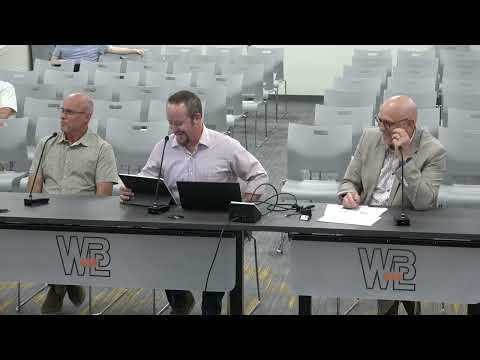
Board member Mr. Skar pressed district finance staff on the board's monthly payment report at the White Bear Lake Area Schools (ISD 624) meeting, seeking more clarity about how payments are categorized and how vendors are named.
"I have questions on the payment of invoice report," Mr. Skar said, adding that he understood the report is intended for public transparency and the board's benefit. He asked whether the report could show categories such as capital expenditures, legal fees, transportation, or consultant costs.
District staff member (identified in the meeting as Miss Hart) explained the report's current purpose: "Yes. This is a list of all of the payments that we've made as a school district since the last board meeting." She described how the report lists payment/check numbers and why some vendor names do not match public-facing company names: the district must pay the legal entity name on file with the IRS, which can differ from a vendor's doing-business-as (DBA) name.
Staff walked the board through common check codes used in the district's accounting: an entry marked "V" indicates a voided check, "R" is a regular check, "C" denotes a remittance that lists multiple invoices for a single vendor (often used for vendors like Amazon), and a separate sequence of numbers represents ACH transactions pulled automatically by a payee's bank.
When Mr. Skar asked about several individual entries, staff provided clarifications where available: payments tied to the district's solar projects appear under several vendor names (for example, Ideal Energies and earlier IRS-registered names such as Anchor), a payment to Watson Consulting Group was for support on a transportation RFP for bus services, and a Live Nation payment was likely event-related (prom rental services), though staff said they would verify details for certain line items.
Mr. Skar requested more context in future reports so board members and the public can more easily understand what each payment is for. "It would be more helpful to the board and to the public if we had to categorize by expense categories," he said, suggesting labels such as capital expenditure, consulting fees, legal fees and transportation.
District staff agreed that a different, more detailed report could be prepared on request, but said the current consent payment listing is designed to present all disbursements for board approval rather than to serve as a categorized expense ledger.
The board approved the consent agenda, which includes the payment report, by roll call later in the meeting.
Ending: Board members urged finance staff to consider producing an expenditure report tailored to board review—showing budget vs. actuals by facility or expense category—so future meetings will include clearer context on larger or recurring payments.