Get Full Government Meeting Transcripts, Videos, & Alerts Forever!
Get email alerts on the Childcare topic
No spam. Unsubscribe anytime.
Beltrami County officials report decline in family childcare providers; licensing process and costs cited as barriers
Summary
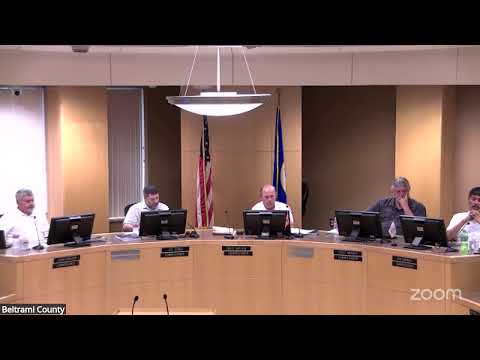
Beltrami County social services updated the board on childcare licensing: the county has 76 licensed family childcare programs (down from 135 in 2003), 866 total child slots and 132 infant slots; staff listed regulatory, start-up cost and business-operation barriers and encouraged potential providers to contact licensing staff.
Beltrami County social services staff told the Board of Commissioners the county faces a continued shortage of family childcare providers, particularly for infant care, and described regulatory and practical barriers to new providers.
Jeff Flynn, social services division director, introduced the update and said licensing staff Carissa Golden and veteran licensor Michelle Voorhees administer county childcare licensing under the state Department of Children, Youth and Families. Voorhees said she has worked in childcare licensing for 28 years.
What licensing staff do and what they do not do Michelle Voorhees described the county—s licensing duties: recruit and train family childcare providers (largely in partnership with state recruitment efforts), conduct initial and annual (unannounced) licensing visits, perform monitored checks in response to complaints, investigate reports and initiate background studies (the state conducts the formal background checks).
She noted the county does not set statewide licensing rules, does not make final decisions on license revocations or background-study determinations (the state makes final determinations), and does not license child-care centers (those are licensed under a different state process). Michelle said some configurations that look like centers in the community (for example, multi-room programs at St. Philip—s) are licensed as special family child care programs by the county.
Barriers and current capacity - The county currently licenses 76 programs (76 this year; 80 last year; 78 the year before), down from 135 licensed providers in 2003, the presenters said. - There are about 866 total child-care slots and roughly 132 infant slots; some providers choose not to accept infants. - The county—s licensing checklist contains about 268 items across 17 categories; start-up costs (equipment, safety improvements), background-study results and small-business requirements deter many potential providers. - The licensing process can take 30 to 120 days depending on training, fire marshal review and clearance of background studies; Voorhees said she typically leaves applicants a to-do list and returns as needed.
Recommended actions and outreach Staff said grants exist to help offset start-up costs and noted the state had proposed stricter outdoor play-surface rules earlier in the year but revised them after industry feedback. Commissioners praised the long-serving licensor: "I just want you to know how highly regarded you are in what you do," Commissioner Carlson said.
Why it matters: a lack of infant care slots affects parents— ability to work and contributes to broader challenges in housing, transportation and workforce availability.
No formal board action was taken; staff encouraged interested residents to contact Michelle Voorhees for information on becoming a licensed provider.