Get Full Government Meeting Transcripts, Videos, & Alerts Forever!
Get email alerts on the Public Landscape topic
No spam. Unsubscribe anytime.
Citywide quick-action planting plan approved to refresh downtown parkways and medians
Summary
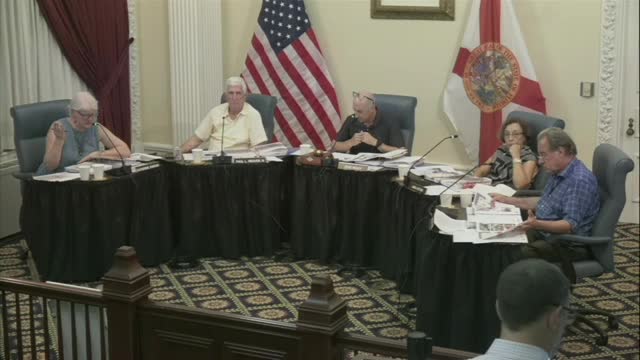
HARB approved the city’s quick-action level 1 planting program, which will refresh and replace failing shrubs and update tree wells and small islands across key downtown rights-of-way and public park spaces.
The board approved a city-sponsored quick-action landscape program (HP2025-0056) on Aug. 21 that will refresh failing shrubs and add resilient, historically informed plantings at several highly visible downtown locations, including the Plaza in front of the Alcazar, Anderson Circle, Ponce Circle, Avenida Menendez medians, the Visitor Information Center landscape and parts of West Castillo Drive.
What was approved: The HARB reviewed and approved a level-1 program of targeted removals and replacements — primarily like-for-like plant substitution where material has failed — and a small number of tree replacements in constrained locations. The approved work is intended to be surgical and short-term: remove dead or invasive plantings, replant with AGHP‑appropriate, Florida-friendly species, add drought-tolerant perennials and reinforce tree wells where possible. The board noted that the CRA will fund initial capital installation while city crews will handle ongoing maintenance; staff confirmed CRA funds may not be used for long-term maintenance, which remains a city responsibility.
Why it matters: Several downtown planting beds contain decades-old material that no longer thrives; the city’s effort aims to make downtown landscapes safer, more attractive and more flood/drought resilient ahead of the high-season months.
Public comments and constraints: Board members and public commenters recommended species with low maintenance needs and emphasized coordination with the city archaeologist for any ground disturbance. The HARB recommended drought-tolerant choices and the use of historical precedents (camellia at Alcazar, agapanthus and other AGHP-approved species) when possible.
Next steps: City staff will implement level‑1 plantings and will coordinate with the city archaeologist and Public Works on any ground disturbance. Future level‑2 master-planning efforts will return to HARB for larger-scale changes.