Get Full Government Meeting Transcripts, Videos, & Alerts Forever!
Get email alerts on the Jail Capacity And Financing topic
No spam. Unsubscribe anytime.
Cole County officials discuss jail overcrowding, out-of-county housing costs and potential expansion
Summary
County leaders reviewed rising out-of-county inmate housing costs, existing bed capacity, staffing shortfalls and financing options for a jail build-out, and directed staff to gather cost estimates and consultant advice.
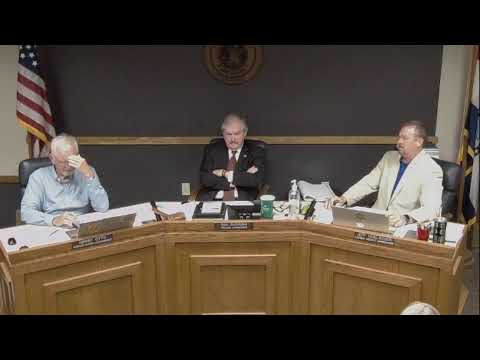
Cole County officials on Aug. 19 discussed rising costs to house county inmates out of county, ongoing jail capacity and staffing constraints, and options to finance a proposed expansion of the county jail.
The discussion opened after commissioners were told the county has spent about $297,000 through July 31 on housing county inmates in other facilities; the office had budgeted $450,000 for the year and, if current trends continue, the annualized cost would approach $510,000. County staff reported 21 inmates were currently housed in other facilities and that the county’s jail routinely carries additional population on pretrial holds, averaging about 180 individuals at times.
The cost conversation focused on two drivers: the number of prisoner days sent to other facilities and the per‑day rates charged by receiving counties. Speakers said Cole County receives roughly $22.50 per day from the Missouri Department of Corrections when a local inmate’s state sentence is credited, while the state reported a per‑day operational cost of about $103. County officials said there is a statewide push to raise the DOC payment to $33 per day, but no change was finalized in the meeting.
Officials noted revenue from federal detainees housed in the county’s jail offsets some costs. County staff said the jail averages about 40–45 federal detainees in a month, and that federal contracts and transfers can be used to move some detainees for court appearances; federal detainees typically require additional staffing and facility standards. Staff said the county charges about $50 per day to some surrounding agencies and that daily rates vary by receiving county.
Capacity and courtroom constraints were also discussed. Participants said the jail has an 180‑bed capacity and that court scheduling creates a bottleneck because the county can effectively run only one jury trial courtroom at a time, which slows case resolution and can prolong pretrial detention for some defendants. Officials described recent turnover in the public defender’s office and in part‑time prosecutor positions as factors that affect case progress but noted the county clears cases at a rate officials characterized as higher than the state average.
County staff and the sheriff’s office described jail operations challenges: classification requirements, the need to separate inmates by gender and security risk, temporary placements at regional facilities, and transport logistics that can require two deputies for some transfers. The sheriff’s office reported being short several correctional officers and said recruitment has recently improved through outreach and social media but staffing remains a constraint for any expansion.
Participants discussed a long‑term solution: building out the existing jail by adding pods. An earlier full‑build study was reported at about $30 million; with some work already completed (a data room), officials said that estimate had been reduced to about $26 million. The most frequently cited build option was to add 180 beds (a full expansion) or an intermediate four‑pod option that could cost less to build but would still require comparable staffing. Officials said the one‑eighth‑cent sales tax that formerly paid debt on the jail no longer applies and that returning that tax would require a public vote; they said operational shortfalls mean the county would likely need more than the 1/8‑cent—citing a target of a half‑cent for stable operations—and that using reserves is not sustainable.
As next steps, commissioners asked staff to obtain updated architect cost estimates for phased build options, to run updated financial projections for a half‑cent operational tax and other revenue options, and to consider hiring a financial consultant to review financing and operational needs. Officials referenced a consultant previously involved in the jail project (Joy Howard) as a potential resource and said they would solicit updated numbers from architects and consultants.
The meeting concluded without a formal decision to proceed with a specific financing plan or construction contract. Commissioners and staff framed the items discussed as next steps to develop firm cost estimates and financing options for later formal consideration and possible voter approval.