Get Full Government Meeting Transcripts, Videos, & Alerts Forever!
Get email alerts on the County Budget Tax Appeal topic
No spam. Unsubscribe anytime.
Seward County commissioners weigh options after multi‑year tax appeal could cost millions
Summary
Commissioners reviewed scenarios arising from an ongoing tax appeal by the Arkalen ethanol plant, heard that state loan criteria are not met, and discussed using set‑aside funds, borrowing and spreading repayments over multiple years ahead of publication and budget hearing deadlines.
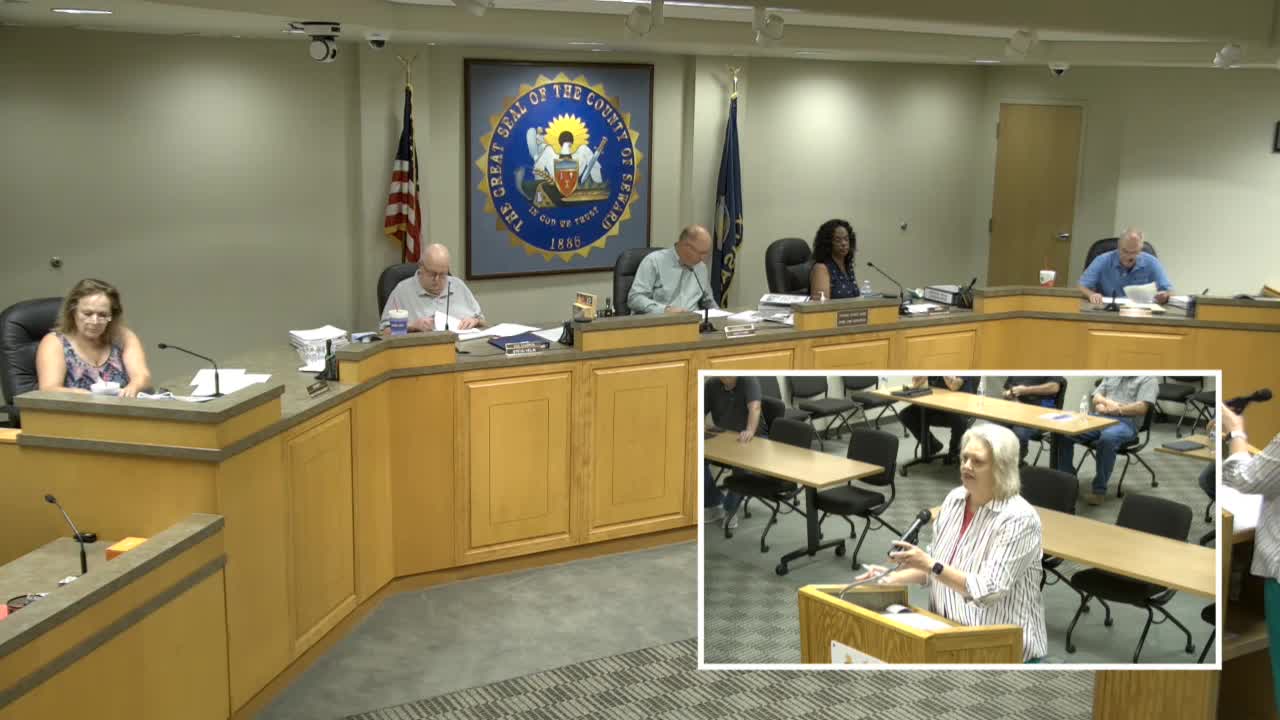
Seward County commissioners spent a budget work session reviewing options after a taxpayer appealed multiple property valuations dating to 2018, a dispute that could force the county to repay millions if the appeals succeed.
County staff told commissioners the taxpayer under appeal is the Arkalen ethanol plant and said the county currently does not meet the statutory threshold to apply for a state municipal pool loan under KSA 79-1609. "We are below that. We do not meet the criteria," a county staff presenter said during the meeting.
The meeting centered on numeric scenarios presented by staff: repaying refunds for tax years 2018–2021 from the county general fund would cost about $1,518,511.64 in the presenter’s calculation; a worse outcome, if the taxpayer prevailed on appeal, could raise the county’s exposure to about $3,183,346.95. For rural fire districts the board of tax appeals projected $199,949.80 for the same years. Staff also said the figures presented did not yet include statutory court interest, which they identified as 8.25 percent and said would add substantially to total costs.
Why it matters: commissioners must decide what to publish in the county’s revenue-neutral and budget notices in early September and must certify a final budget in open meeting before Oct. 1. Staff informed the board that publication for the revenue-neutral hearing must be filed by noon on Sept. 3 to appear in the Sept. 5 legal notices, and that the budget hearing is scheduled for Sept. 15.
Options discussed
Staff described three paths: apply for a state municipal pool loan (which requires the contested refunds to exceed 5 percent of total county assessed valuation), pursue a no-fund warrant (an option typically reserved for unforeseen events and requiring application), or borrow through the bond market. Staff said the county does not meet the 5 percent threshold now and that bond borrowing could affect the county’s credit rating if general-fund reserves drop.
Commissioners discussed spreading potential repayments over multiple years rather than funding a single-year “worst-case” payment. Several commissioners expressed reluctance to increase taxes sharply and to add long-term debt, and some favored spreading payments over two years rather than more than two. Commissioners noted the county has set aside approximately $1,000,000 so far and tentatively budgeted another $500,000 for 2026; several commissioners said they would prefer to use that money to reduce immediate exposure.
Legal posture and schedule
Staff reported the Board of Tax Appeals had scheduled hearings for additional years but that the county’s attorney had informed the parties the county planned to stay those proceedings while a related district court case remains pending. Staff said there had been no new court decision and no recent attorney update beyond an email noting the stay.
Next steps and staff direction
Commissioners asked staff to prepare budget scenarios that spread repayment across different time frames and to bring those scenarios back before the publication deadline if a court decision is received. Multiple commissioners said they do not want to make a final budget decision before receiving additional legal information but recognized the statutory timelines for publication and certification require near-term action. One motion to adjourn closed the meeting; no formal budget vote or final directive about a mill‑levy change was taken during the session.
Ending
At the close of the meeting, commissioners agreed to continue working with county staff and counsel, to run cash‑flow and mill‑levy scenarios, and to reconvene as needed before the statutory publication and certification deadlines.